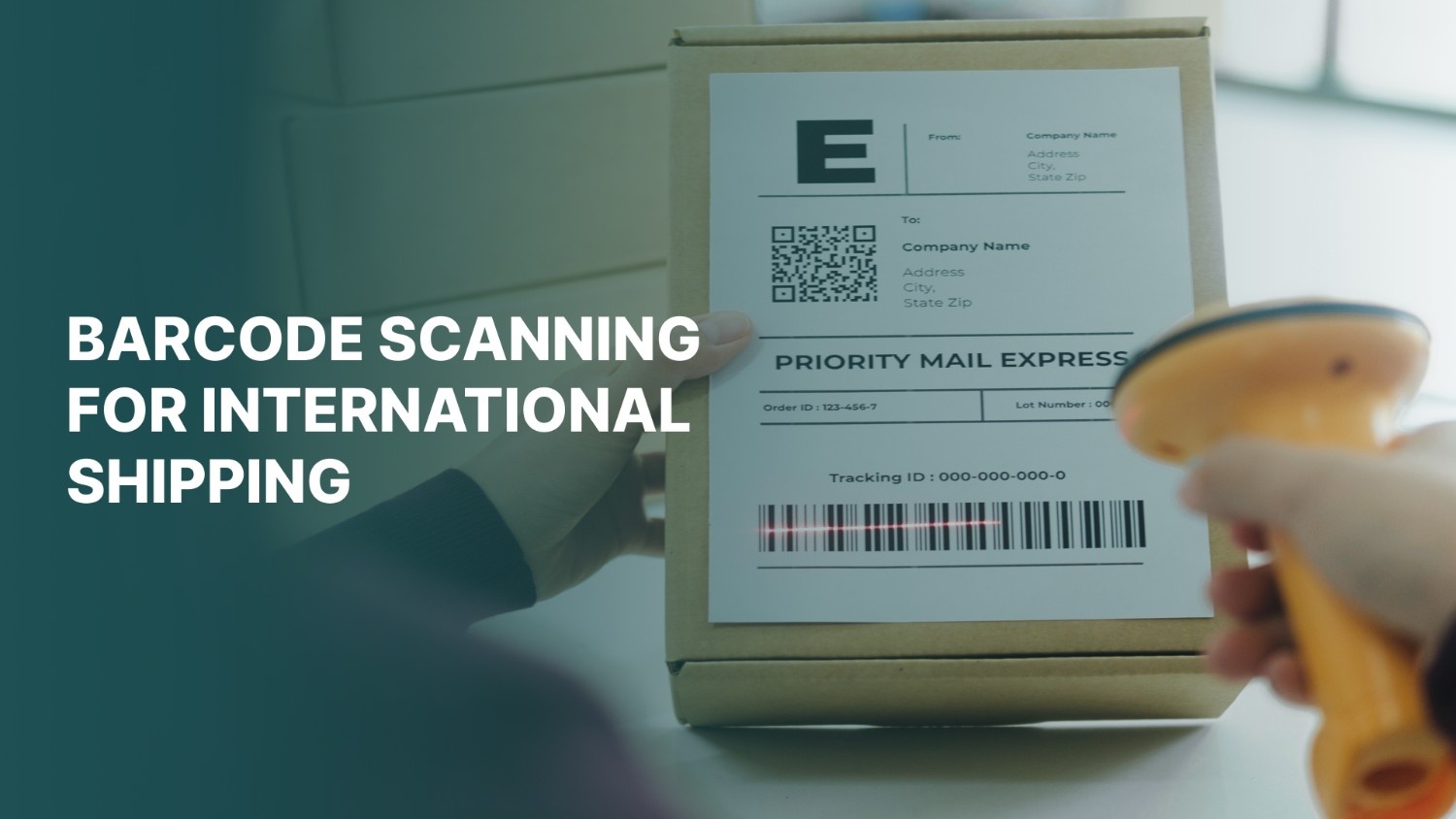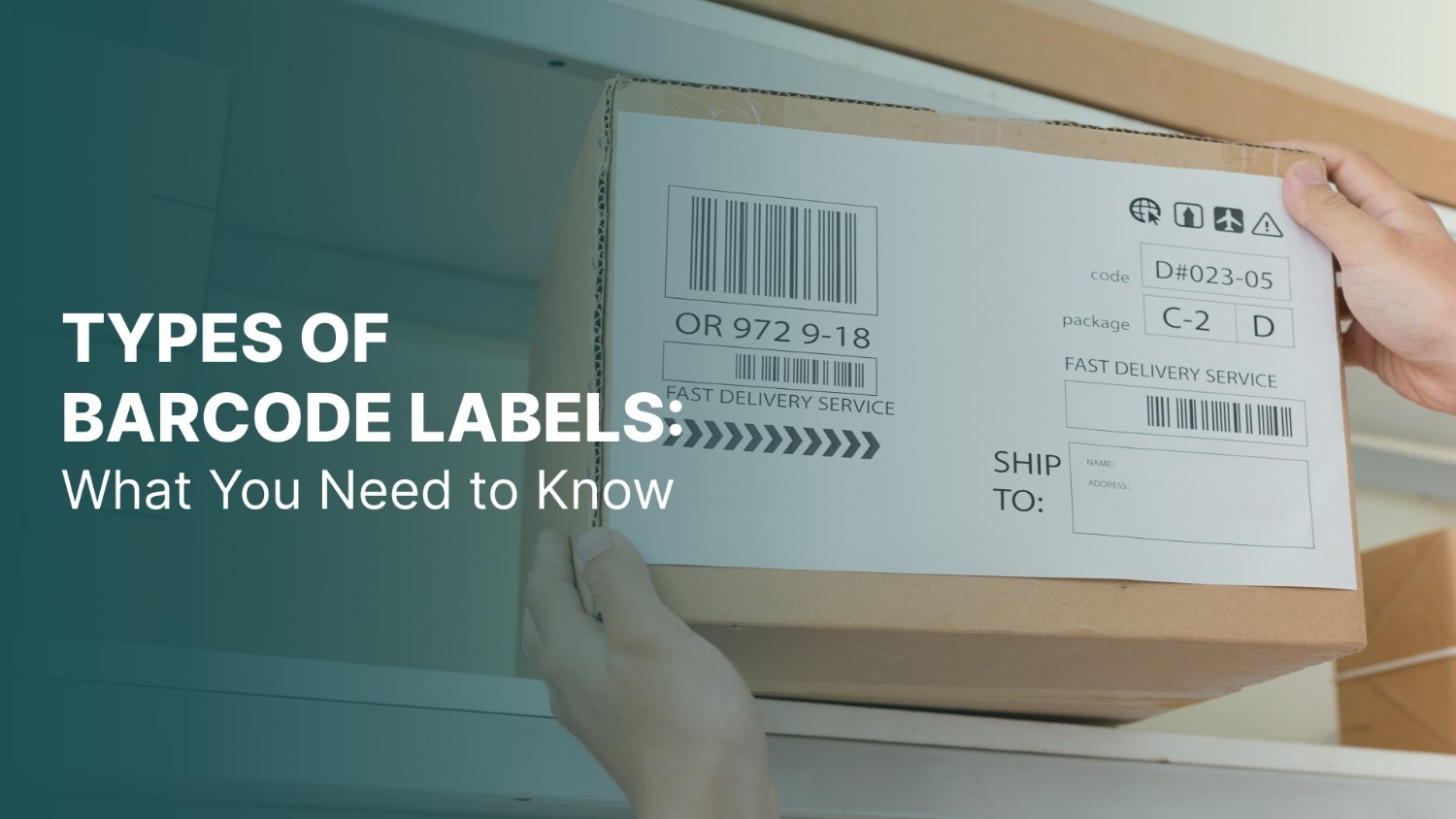
Global shipping becomes challenging when unreadable barcodes or non-compliant labels slow customs clearance and increase operational risks for growing businesses. Many exporters and manufacturers face rising return rates and hidden logistics costs caused by poor label quality or inaccurate scans. Reliable barcode solutions support teams managing audits, sensitive products, complex inventories, and demanding international partners who expect consistent shipping performance. Understanding essential barcode features helps prevent customs issues, reduce scanning errors, control rising logistics costs, and safeguard shipments end-to-end.
Quick overview
Barcode scanning supports accuracy in global shipping by linking every carton and pallet to verified shipment data.
Export shipments move smoothly when GS1 formats, durable materials, and readable printing keep labels clear throughout long transit.
Most failures come from poor print quality, weak adhesives, damaged surfaces, or non-standard barcode formats that carriers reject.
A strong export process depends on verified labels, correct symbology, durable materials, and clear data that scanners read without issues.
What is Barcode Scanning?
Barcode scanning plays a central role in modern shipping because every scanned code connects products to accurate data across global routes. The process works through optical readers that capture encoded information and convert it into actionable tracking updates. Reliable barcode solutions for international shipping help reduce errors and support consistent visibility from origin to destination.
Why Barcode Scanning Matters in Global Shipping?
Accurate scanning supports international logistics tracking by reducing mistakes, improving documentation accuracy, and preventing delays across global routes.
Here are key points that highlight the importance of barcode scanning in global shipping:
GS1 128 carton labels and SSCC pallet labels reduce manual entry errors by giving scanners structured and validated shipment data.
International logistics tracking improves when carriers authenticate shipments through serialized carton identifiers printed with thermal transfer ribbons.
Customs officers process cargo faster when export-grade barcode labels printed on polyester or polypropylene surfaces remain readable throughout inspections.
Freight partners communicate more effectively when each scan updates product status, which reduces disputes linked to lost or misrouted freight.
High durability resin printed barcode labels protect global shipments by preventing fading and maintaining clear data during long overseas transit.
These points set the stage for a closer look at how barcodes move through every step of the global supply chain.
How Barcodes Move Through the International Supply Chain?
Barcodes support continuous international logistics tracking by connecting every movement to a verified digital record across the entire shipping journey.
Here are the primary stages where barcodes influence global shipping workflows:
Labels are applied during packing, so the carton and pallet barcode formats link each shipment to relevant export information.
Scanners validate cargo at warehouse gates to support booking accuracy and ensure correct allocation to outbound loads.
Freight partners capture barcode events during linehaul to maintain traceability and confirm container integrity across long routes.
Customs teams verify GS1-compliant shipping labels to match declarations, product data, and supporting trade documentation.
Destination hubs complete the process by scanning items into last-mile systems to maintain visibility until final delivery.
Once the journey becomes clear, it becomes easier to examine the specific features that make barcode systems dependable for exports.
Key Features of Barcode Solutions for Global Shipping

Strong barcode capabilities ensure every export shipment remains traceable, compliant, readable, and secure throughout demanding international movements.
Here are essential features found in high-quality barcode solutions for international shipping:
Standard-Compliant Barcode Formats
GS1 compliant shipping labels support customs validation and reduce delays across international checkpoints.
Standard formats like GS1 128 help align carton and pallet barcode formats with multi-country carrier requirements.
Proper symbology selection improves readability and reduces scanning errors during multi-stage handling.
High-Quality, Readable Printing
High print resolution prevents scanning failures that cause rework or slowdowns during time-sensitive export operations.
Thermal transfer barcode printing supports durable imaging for long-distance travel and variable climate exposure.
Sharp contrasts and clear quiet zones ensure scanners maintain reliable performance in busy freight environments
Durable Labels for Global Transit
Durable barcode labels for export resist moisture, abrasion, and temperature changes during extended international travel.
Long-lasting materials maintain readability even when containers face rough handling or varied stacking pressure.
Strong adhesives prevent labels from peeling away under challenging warehouse or transport conditions.
Flexible Label Sizes and Formats
Multiple label formats support diverse packaging layouts used across different industries and export categories.
Flexible sizing ensures barcode labels fit cartons, pallets, drums, or components without restricting visibility.
Custom label formats prevent information gaps when managing complex product mixes and international routing needs.
Strong Traceability and Identifiers
Unique identifiers support accurate tracking from origin to destination across multi-carrier environments.
Traceability barcode identifiers help manage recalls, audits, quality checks, and regulatory obligations.
Serialized barcodes improve accuracy when handling high-value shipments or sensitive product lots.
Security and Tamper-Proof Options
Tamper-proof shipping labels protect goods moving through unsecured transit points across international locations.
Security label options help detect interference and reduce risks related to counterfeiting or diversion.
Authentication features add an extra protection layer for sensitive cargo like electronics and pharmaceuticals.
System and Software Compatibility
Barcode systems integrate with international logistics tracking applications for end-to-end visibility.
Multi-carrier compatibility reduces errors during label creation for outbound global shipments.
Seamless integrations improve productivity and reduce delays connected to system mismatches.
Barcode Quality Verification
A shipping label verification process ensures every barcode meets readability standards before dispatch.
Verification checks reduce the risk of no-read incidents during customs inspections or freight transfers.
Consistent testing supports overall export compliance and protects supply chain efficiency.
These features highlight what a strong barcode setup looks like, which helps explain why many exporters still face scanning issues.
Common Barcode Challenges in International Shipping
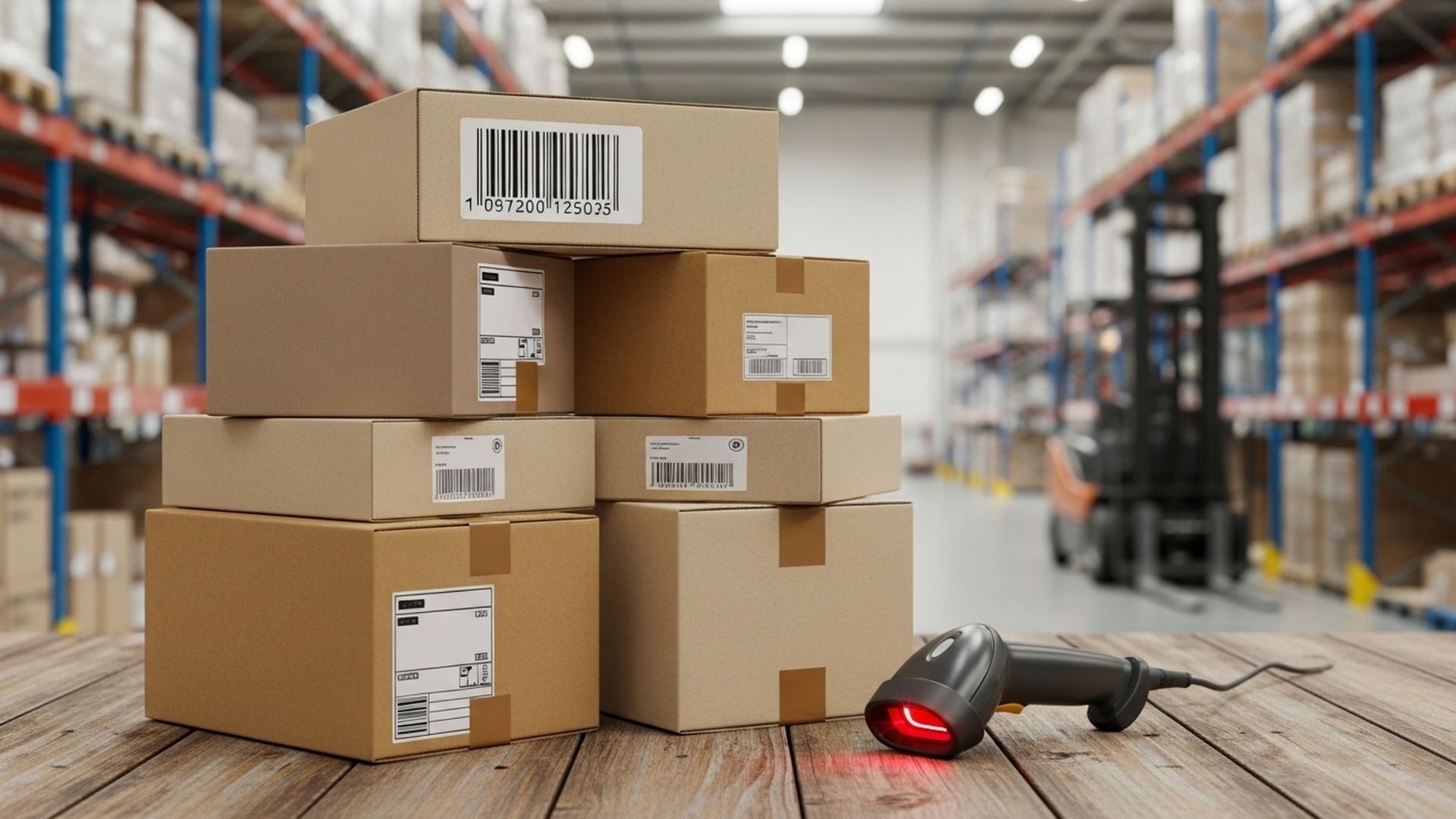
Many exporters face label quality and readability issues that interrupt cross-border shipments and increase operational costs.
Here are common challenges encountered during international shipping:
Incorrect use of GS1 128 or non-standard carton labels creates mismatches with carrier systems that trigger relabeling requests at export hubs.
Low contrast thermal transfer prints generated with worn printheads cause unreadable barcodes that fail scanner validation during freight acceptance.
Labels are often applied to curved or textured surfaces that reduce adhesion strength and lead to partial label lifts during long transit.
Pallets wrapped with opaque stretch film hide SSCC pallet labels, which forces handlers to cut film and rescan pallets during consolidation.
Polypropylene or polyester labels without abrasion resistance lose clarity when cartons rub against conveyor edges during high-volume sorting.
Barcode formats printed without quiet zones cause scanning failures during customs documentation checks, where high precision scanning is required.
Cartons stored in humid environments weaken adhesives on export-grade labels that later detach during container loading.
Thermal paper labels used for cost savings fade under heat inside metal containers and result in lost traceability during inland movement.
Knowing the challenges makes it easier to identify the qualities a dependable labeling partner must bring to your shipping operations.
Choosing the Right Barcode & Labeling Partner
Selecting an experienced labeling supplier helps exporters maintain compliance, visibility, and reliability across global shipping operations.
Here is what to evaluate when choosing a partner:
Evaluation Point | Why It Matters | Impact on Global Shipping | Ideal Capabilities |
|---|---|---|---|
Material quality | Ensures labels survive long routes | Reduces damage and unreadable codes | Durable and export-grade materials |
Printing accuracy | Supports error-free barcode scans | Prevents customs rejections | High-DPI thermal transfer barcode printing |
Compliance support | Helps meet GS1 and carrier rules | Avoids delays across borders | Knowledge of international standards |
Scalability | Supports high-volume exports | Reduces stockouts during peak seasons | Large format rolls and consistent supply |
Security features | Protects valuable shipments | Reduces tampering risks | Tamper-proof shipping labels and secure identifiers |
Software compatibility | Connects to logistics platforms | Improves traceability across networks | Integrations with major WMS and TMS |
Customization range | Aligns labels with packaging types | Improves visibility during handling | Multiple sizes, finishes, and adhesives |
A supplier that understands these requirements can support smoother exports, which is why many teams rely on Gannayak for dependable labeling. A reliable partner helps put these practices into action, so the next section outlines the checks to complete before dispatch.
Pre-Shipment Barcode Checklist for Exporters
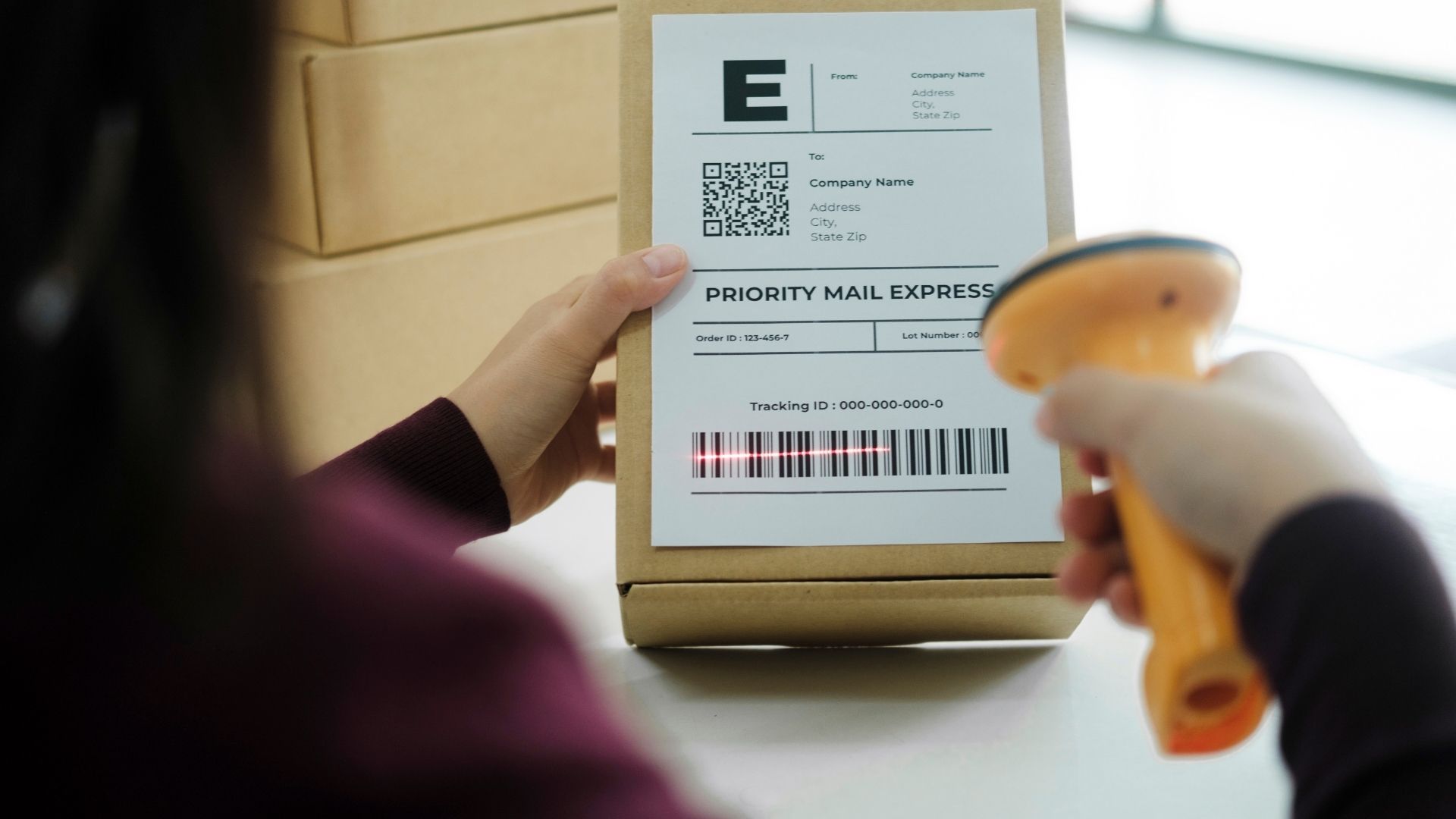
A clear pre-shipment process strengthens accuracy and helps maintain consistent performance during international logistics tracking.
Here is a structured checklist exporters can follow:
Verify barcode quality
Confirm readability with a shipping label verification process
Review contrast, clarity, and quiet zones
Confirm correct symbology
Match GS1 compliant shipping labels to product and carton formats
Validate correct carton and pallet barcode formats
Inspect material durability
Ensure labels resist moisture and abrasion during long transit
Check adhesion on different packaging surfaces
Validate data accuracy
Confirm identifiers match shipment records
Check serial or batch data before sealing cartons
Ensure system alignment
Test printer and scanner compatibility
Sync label data with your global shipping barcode system
Once the checklist is complete, it becomes clear how the right packaging and labeling solutions support consistent export performance.
Power Your Exports With Durable, Scan-Perfect Barcodes With Gannayak
Reliable barcode and labeling solutions help every export shipment move smoothly across global routes without delays or compliance issues.
Here are the products and services that support accurate scanning and consistent global performance:
Barcode labels are produced using polyimide, paper, polyester, and polypropylene materials that maintain clarity during long international transit.
Printed labels support branding and regulatory communication through high-contrast printing that stays visible on glass, plastic, and cardboard surfaces.
High security labels protect sensitive products with tamper-evident, holographic, and void options that reveal interference instantly.
Thermal transfer ribbons in wax, wax resin, and full resin grades deliver stable print quality for demanding shipping conditions.
Recycled LLDPE polybags maintain strength during handling and support eco-friendly packaging needs for export-driven operations.
Recycled PP, LDPE, and HDPE granules offer sustainable manufacturing materials that help reduce environmental impact and resource usage.
CHECKO security technology provides unclonable identification for high-value shipments through unique 3D patterns and authenticated QR codes.
A short conversation with our team can help you choose the right combination of labels and materials for your upcoming shipments.
Conclusion
Global shipping performs better when barcode labels stay readable, compliant, and durable throughout long and complex transit movements. Export teams gain more control when reliable barcode systems reduce errors, prevent delays, and support accurate documentation at every checkpoint. Gannayak Packaging supports these goals with high-quality labels, security options, and export-ready materials designed for consistent global performance.
Start your next shipment with scan-ready labels from Gannayak Packaging and reach out to our team for fast assistance.
FAQs
How do barcodes help in international shipping?
Barcodes connect each shipment to accurate digital records that support faster processing across multiple global checkpoints. Their readability reduces handling errors, misplaced cartons, and repeated documentation checks during international transit.
What type of barcode is best for export shipments?
GS1 128 and SSCC formats are widely accepted because they store structured data required by carriers and customs authorities. These formats help maintain clear identification across different transport partners and regions.
Why do shipping barcodes fail during scanning?
Most failures occur because of poor print contrast, damaged surfaces, or incorrect quiet zone spacing. Environmental factors like moisture or abrasion also reduce readability during long transit routes.
Which materials work best for durable export barcode labels?
Polyester and polypropylene labels maintain clarity when exposed to heat, friction, and humidity during extended journeys. Thermal transfer printed surfaces also support long-lasting readability for complex routes.
How often should barcode labels be verified before shipping?
Verification should be completed before packing, during staging, and before loading to ensure consistent readability. These checks help avoid scanning issues during freight acceptance or customs inspections.