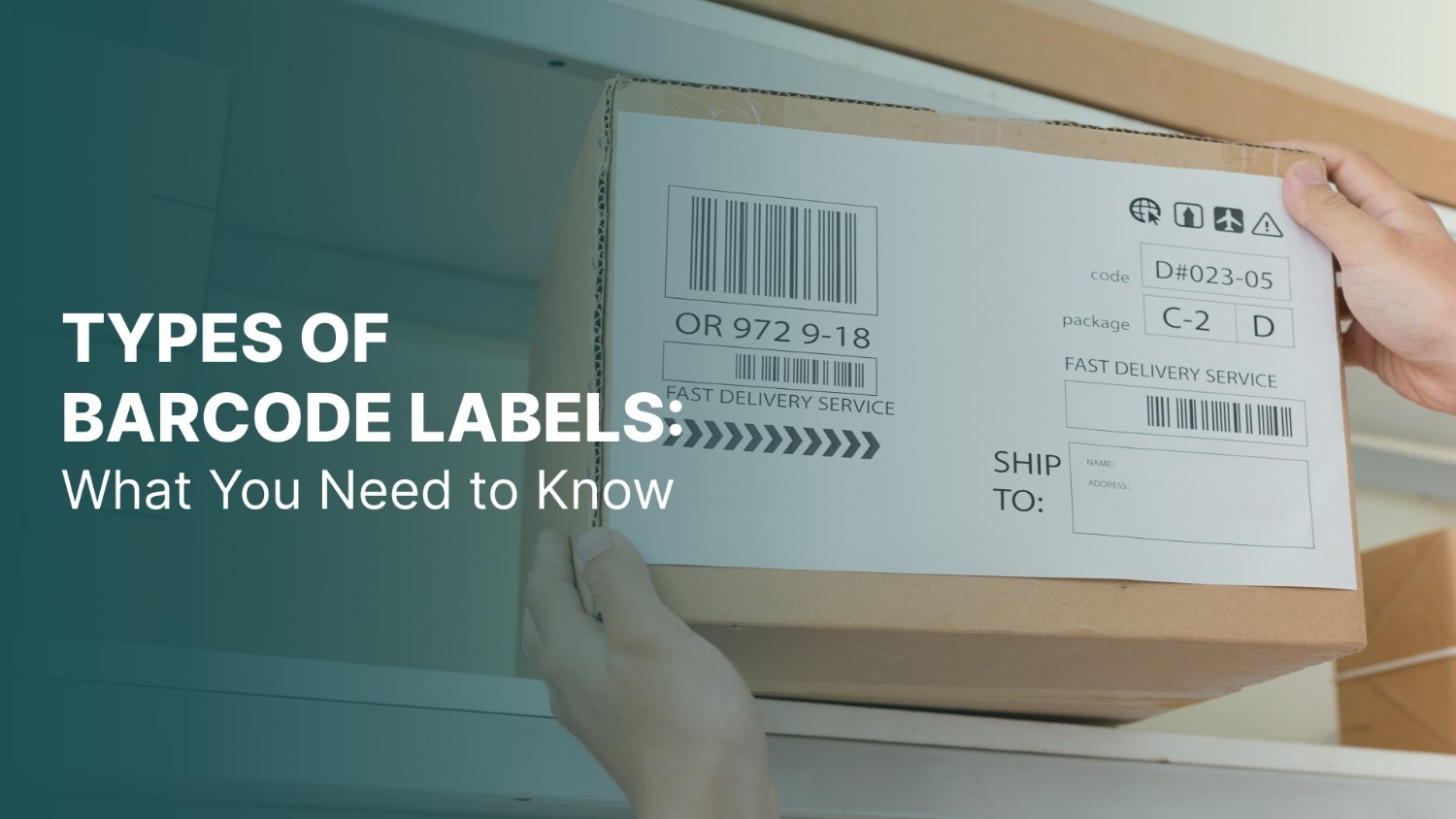
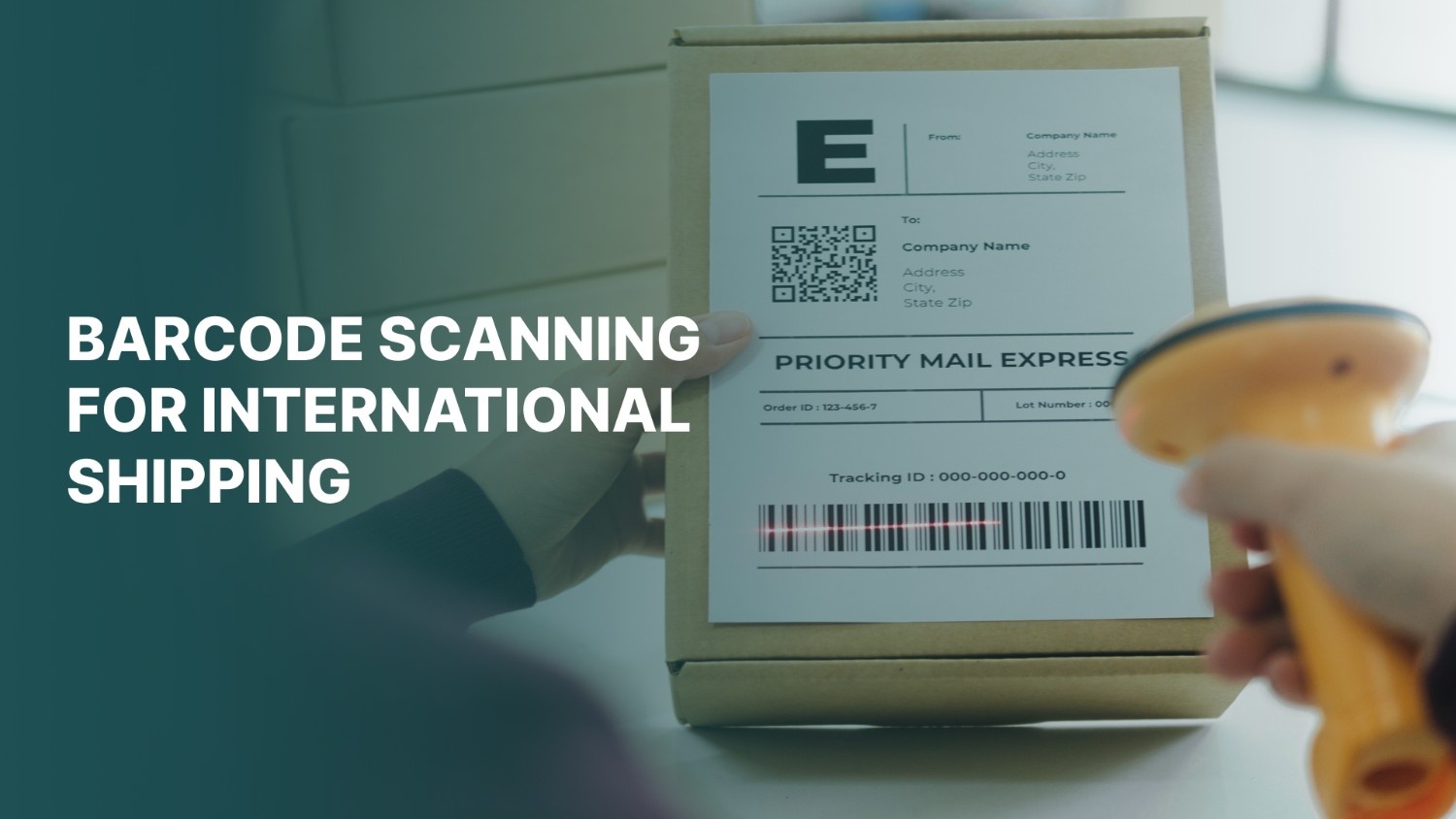
Barcodes remain the unsung backbone of global supply chains; even a small misprint can stall a shipment, trigger compliance failures, or derail inventory tracking. For manufacturers, exporters, or brand-owners aiming for seamless retail or export operations, precision matters. The original UPC barcode label continues to power point-of-sale scans worldwide, underpinning quality control, traceability, and smooth supply flows.
Globally, barcodes are scanned more than 10 billion times a day in 2025, a testament to their enduring role in commerce. Understanding how UPC barcode labels work helps ensure your packaging stays scan-ready, compliant, and supply-chain proof, avoiding costly scan failures, recall risks, or delays.
Quick Overview
UPC-A uses a 12-digit structure with defined components that keep products identifiable across retail, warehouse, and distribution systems.
Variants like UPC-E, EAN-13, EAN-8, and GTIN formats support different packaging sizes and global sales requirements.
Reliable UPC performance depends on print quality, correct sizing, clear quiet zones, and proper placement on packaging surfaces.
Scan failures often stem from distorted bar widths, missing quiet zones, low contrast, or incorrect check digits, all of which can disrupt supply-chain accuracy.
What is a UPC Code?
A UPC code is a standardized 12-digit identifier used to distinguish one product from another across retail and distribution systems. The number is encoded into a barcode format that scanners can read instantly, linking the item to its stored data in inventory or POS systems. This structure keeps product tracking consistent, whether goods move through packaging lines, warehouses, or store shelves.
What Does the Original UPC Barcode Label Mean?

The original UPC barcode label refers to the standard 12-digit UPC-A code used globally to identify products consistently across retail, logistics, and manufacturing systems.
Here are the essentials that matter when selecting, designing, or approving a UPC label for any product:
Ensures every item carries a globally recognized, GS1-standard product identity, reducing the risk of scan failures or retail rejection.
Acts as the backbone of POS transactions, making product launches and SKU onboarding smoother for major retailers and marketplaces.
Supports inventory accuracy by linking every unit to a fixed GTIN-12 record, simplifying stock counts, transfers, and reconciliation.
Minimizes compliance issues because the format, structure, and check digit verification follow strict GS1 rules.
Reduces operational friction by allowing accurate tracking from packaging lines to warehouses to distribution partners.
Enables clean recall traceability when paired with batch or date identifiers on adjacent labels.
Works seamlessly with modern WMS, ERP, and labeling systems, making it easier to scale volume without reworking data structures.
Improves packaging consistency by standardizing how product information is encoded, especially across multi-SKU or multi-category ranges.
Allows long-term SKU stability, so packaging refreshes or rebrands don’t disrupt supply-chain visibility.
Understanding what the UPC label represents sets a strong foundation, and the next step is knowing how each part of that label actually works on your product.
Core Components of a UPC Barcode Label
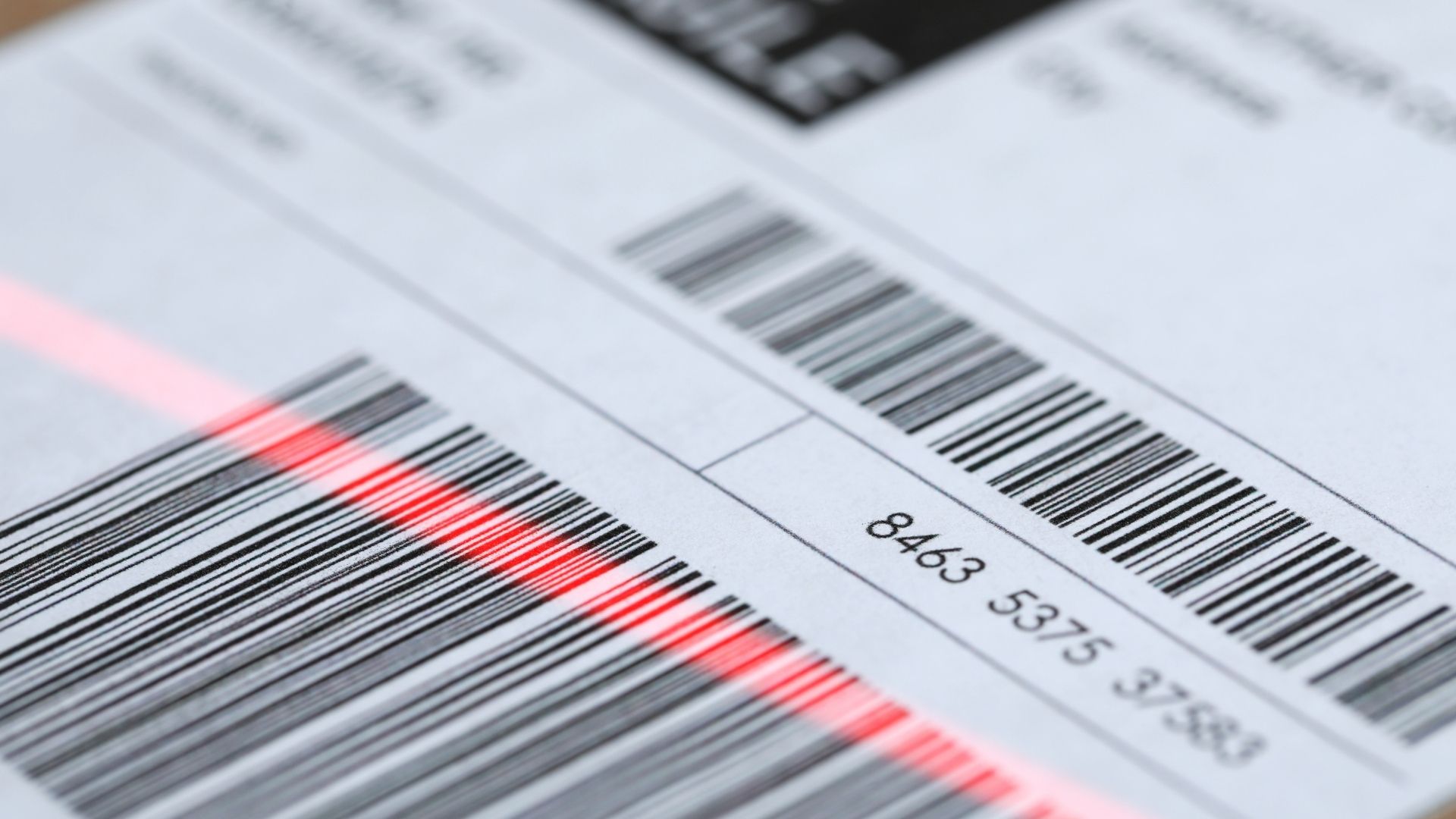
The original UPC barcode label contains several structural elements that work together to ensure accuracy, compliance, and reliable scanning performance. Here are the components that matter most in practical operations and packaging workflows.
Number System Digit
The number system digit defines the broad category of the product being identified within global retail systems. It guides coding structure so downstream systems can interpret each item correctly across distribution networks. This single digit ultimately shapes how product data aligns with inventory, pricing, and retail databases.
Manufacturer Code
The manufacturer code assigns a unique GS1-authorized prefix that distinguishes one brand or producer from another globally. It ensures every product carrying that prefix links back to a verified and traceable entity. Stable prefixes help maintain long-term consistency across packaging updates, SKU expansions, and retail integrations.
Product Code
The product code identifies the specific item within a manufacturer’s catalog and aligns directly with internal SKU master data. It keeps item-level identification consistent across packaging lines, warehouse systems, and point-of-sale environments. Precise coding prevents mismatches that often lead to order errors, stockouts, or compliance issues.
Check Digit
The check digit validates the entire 12-digit sequence through a mathematical algorithm enforced by GS1 standards. It prevents scanning errors by detecting incorrect or mistyped codes during printing or data entry. A correct check digit significantly reduces costly disruptions caused by unreadable labels or failed POS scans.
Guard Bars and Patterns
Guard bars at the start, middle, and end help scanners recognize orientation and verify barcode boundaries instantly. These patterns support fast, accurate reads even when labels move quickly along packaging or checkout systems. Reliable guard structures minimize misreads that can interrupt production flow or retail transactions.
Quiet Zone Requirements
The quiet zone creates clear space around the barcode so scanners can detect the symbol without interference. Proper quiet zone sizing preserves readability on fast-moving lines and varied packaging materials. Maintaining this space reduces scan failures that commonly occur on crowded or visually complex label designs.
Human-Readable Numbers
The printed numbers below the bars provide a manual fallback when scanning equipment cannot read the symbol. These digits support verification during audits, receiving checks, or mixed-SKU inspections. Accurate human-readable text ensures traceability even when labels face abrasion, distortion, or partial damage.
Symbol Size and Dimensions
UPC symbols require strict sizing rules to maintain scan accuracy across retail and logistics systems. Proper dimensions balance packaging limitations with scanner capabilities used in warehouses and stores. Consistent sizing prevents workflow delays caused by barcodes that are too small, stretched, or poorly proportioned.
Once the building blocks are clear, it becomes easier to see how different UPC formats support various packaging and distribution needs.
UPC Variants and Global Compatibility
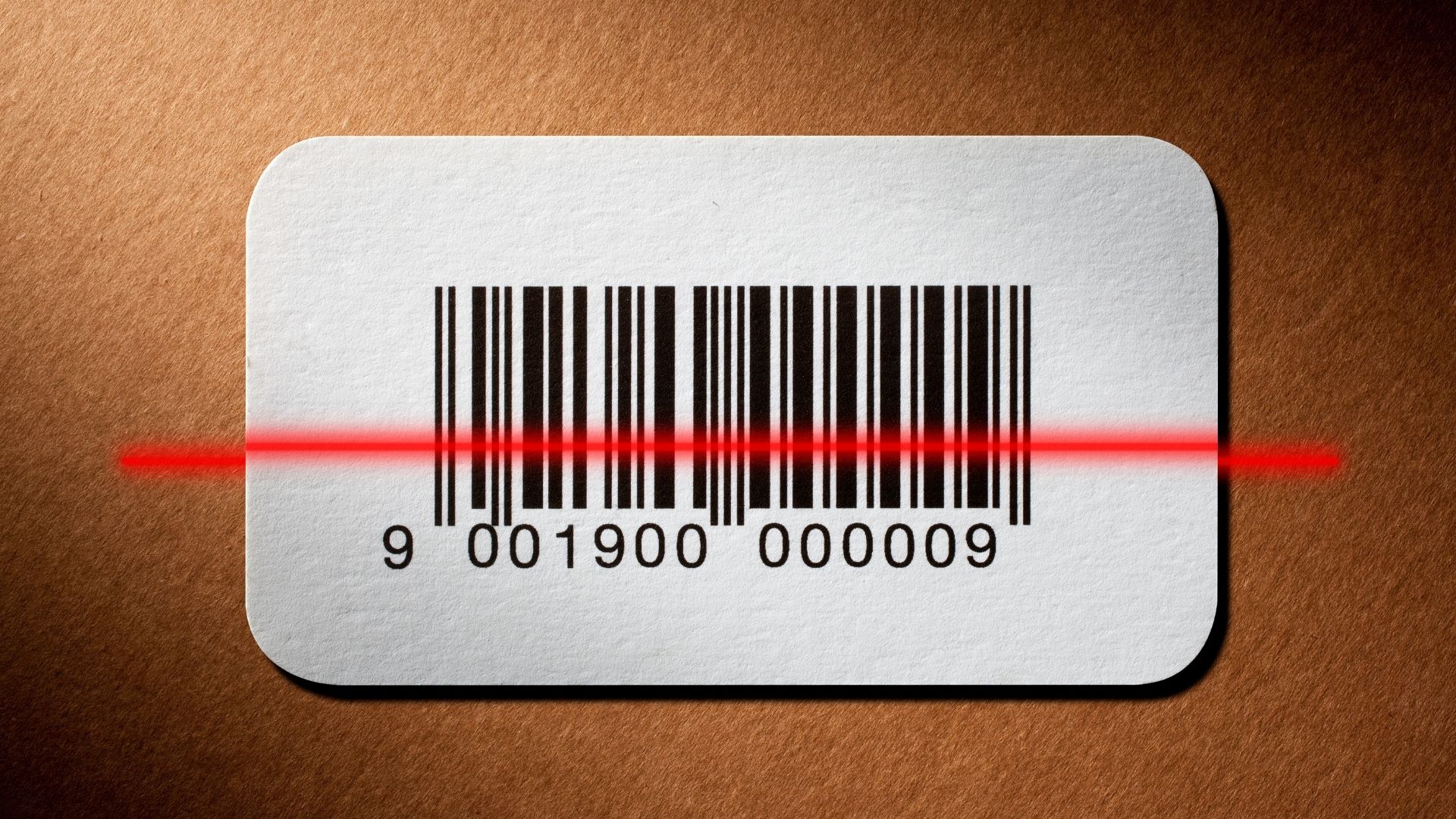
Different versions of the UPC system support varied packaging sizes, retail requirements, and global distribution needs.
Here is a clear breakdown that helps in choosing the right format for different operational demands.
Variant | Digit Length | Best Use Cases | Global Compatibility Notes |
|---|---|---|---|
UPC-A | 12 digits | Standard retail products across general merchandise, FMCG, and electronics | Fully compatible with U.S. retail systems and accepted globally when paired with GS1 data standards |
UPC-E | 6 digits (compressed) | Very small packaging where label space is restricted, such as cosmetics or lightweight accessories | Automatically expands to UPC-A for international systems, ensuring consistent identification |
EAN-13 | 13 digits | Products distributed outside the U.S. or entering European, Asian, or Middle Eastern retail channels | Universally recognized, making cross-border shipments and listings smoother across global retailers |
EAN-8 | 8 digits | Compact packs requiring short codes, especially in high-volume categories or small-form-factor items | Functions as a globally accepted symbol within GS1 frameworks for retail and logistics |
GTIN Formats | GTIN-12/GTIN-13 | Used within databases, ERPs, and digital listings to unify product identity across platforms | Provides universal compatibility for digital commerce, supply-chain traceability, and retailer onboarding |
With the formats in view, the next question is how these labels function in real operations across warehouses, retail floors, and shipping networks.
Real-World Uses of UPC Barcode Labels
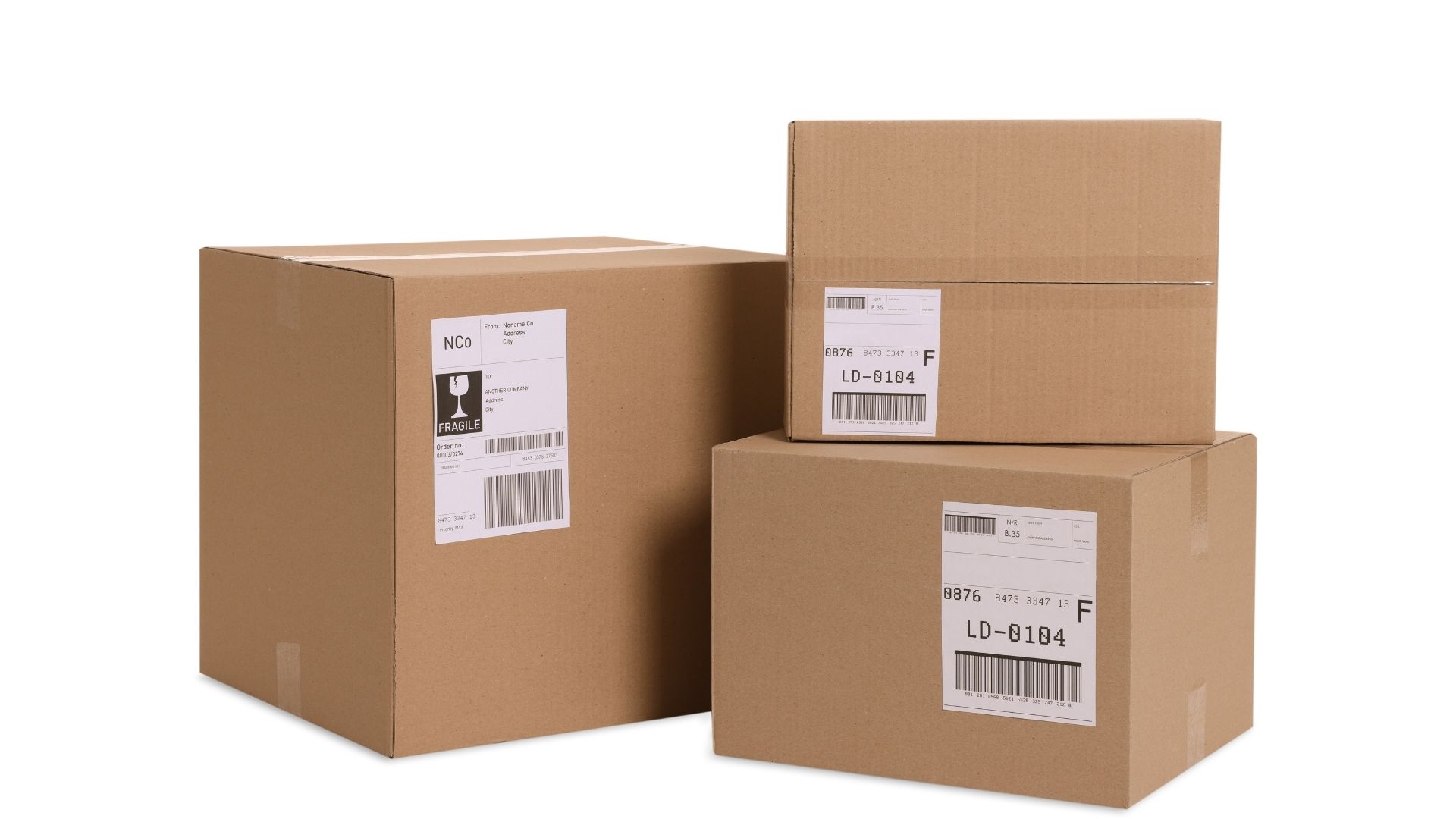
UPC barcode labels play a central role in keeping products identifiable, traceable, and retail-ready across modern supply chains.
Here are the applications that drive the most impact in day-to-day operations:
Enable fast and error-free checkout at retail counters by giving POS systems a standardized product identity.
Support accurate inventory control by linking every scanned unit to real-time stock counts across warehouses and stores.
Streamline receiving operations because inbound teams can validate shipments quickly without relying on manual item checks.
Improve assortment management by ensuring each SKU carries a consistent GTIN structure across packaging variants or regional distributions.
Reduce mis-picks and packing errors within fulfillment centers by reinforcing item-level identification during batch processing.
Strengthen traceability programs by pairing UPC labels with batch, date, or lot codes on adjacent packaging surfaces.
Facilitate marketplace onboarding since most major e-commerce platforms require valid, GS1-compliant UPCs for listings.
Minimize compliance delays during audits by maintaining uniform labeling standards that scanners can read reliably.
Support long-term operational scaling because UPC systems integrate easily into WMS, ERP, and automated packaging lines.
Seeing how UPCs perform in day-to-day workflows naturally leads to understanding what goes into printing them correctly so they scan without interruptions.
How to Print and Apply UPC Labels Correctly?
Accurate printing and placement ensure every UPC barcode label scans cleanly across retail, warehouse, and logistics environments.
Here are the steps that keep labeling consistent, compliant, and operationally reliable:
Confirm GS1-verified data before printing to prevent mismatched GTINs, incorrect prefixes, or faulty check digits that disrupt retail onboarding.
Select the right printing method, thermal transfer, laser, or digital, based on durability needs, packaging surfaces, and expected handling conditions.
Choose an appropriate ribbon–label combination so the printed bars stay crisp during storage, transit, and high-friction workflows.
Set correct print density and contrast levels to maintain sharp bar edges that scanners can interpret in low-light or high-speed lines.
Maintain the required quiet zone by leaving enough blank space around the symbol to avoid reflection interference or scan failures.
Ensure minimum size compliance so scaling does not distort bar widths or reduce readability in fast-scanning environments.
Position the label on a flat, accessible surface to give scanners a clear angle during receiving, picking, and point-of-sale operations.
Test-scan sample labels regularly to catch print drift, alignment issues, or substrate-related smudging before mass application.
Store printed rolls correctly to protect labels from heat, humidity, or dust that can damage readability over time.
Document and standardize printing parameters across teams and packaging lines to keep output consistent during production scale-ups.
A dependable print partner like Gannayak helps keep these standards consistent across every production run without adding extra steps to your workflow. Even with proper printing steps in place, avoidable mistakes still show up in production, so it helps to know where issues commonly occur.
Common UPC Label Mistakes to Avoid
Small errors in UPC barcode labeling can create costly delays, failed scans, and preventable compliance issues.
Here are the pitfalls that consistently disrupt packaging, retail, and logistics operations:
Using non-GS1 prefixes often leads to rejected listings, blocked shipments, and system mismatches during retailer onboarding.
Incorrect check digits trigger instant scan failures, forcing teams to relabel products or manually override POS entries.
Overcrowded label layouts shrink the quiet zone, making scanners struggle to detect symbol boundaries accurately.
Stretching or compressing the barcode distorts bar width ratios, preventing high-speed scanners from interpreting the data correctly.
Placing the label on curved or textured surfaces reduces read reliability and creates reflection issues under store lighting.
Printing at low contrast causes bars to blur or fade, especially on glossy substrates or during extended warehouse storage.
Mixing SKU codes with UPCs on the same line confuses operators and increases the risk of inaccurate inventory mapping.
Skipping sample verification scans allows small print drift or calibration issues to remain undetected until full production.
Using damaged or low-grade ribbons compromises print sharpness and shortens the lifespan of labels in transit-heavy workflows.
Now it becomes essential to compare UPCs with other coding systems and decide what fits different product journeys.
UPC Labels vs Other Coding Systems
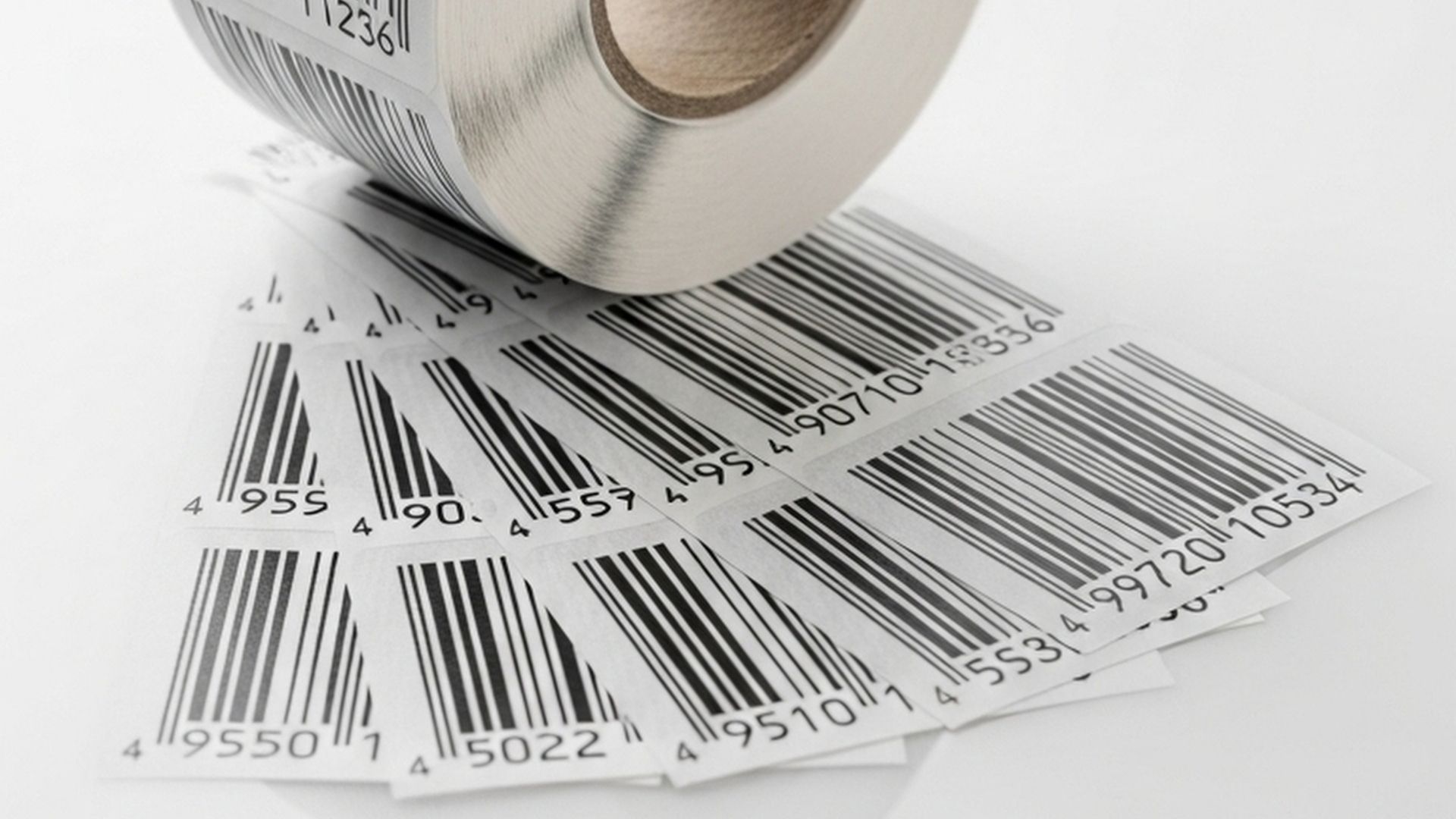
UPC labels serve as a reliable baseline for product identification, but other coding systems offer different levels of data capacity and operational flexibility.
Here is a comparison that helps determine when UPC fits and when alternatives deliver more value.
Coding System | Data Capacity | Best Use Cases | Key Advantages | Limitations |
|---|---|---|---|---|
UPC (UPC-A) | 12 digits | Retail products, FMCG, electronics, general merchandise | Universally recognized, fast scanning, strong POS compatibility | Limited data; not ideal for traceability-heavy operations |
EAN-13 | 13 digits | Global retail distribution beyond the U.S. | Broad international acceptance; compatible with global marketplaces | Slightly larger label footprint compared to UPC |
GS1-128 | Variable | Logistics, pallet labels, cartons, compliance-driven products | Can encode batch, expiry, lot, weight, and more | Not suited for POS checkout scanning |
QR Codes | High capacity | Marketing, authentication, consumer engagement, and dynamic data | Stores URLs, IDs, serials, and variable info; easy mobile scanning | Requires a larger print area and good contrast |
DataMatrix Codes | Very high capacity | Pharma, electronics, aerospace, serialized products | Extremely compact; ideal for high-density traceability | Not readable at POS and unsuitable for consumer retail labels |
Internal SKU Codes | Variable | Warehouse workflows, internal tracking systems | Supports custom data structures for internal operations | Not GS1-compliant and unsuitable for retail or global distribution |
Comparing coding systems brings the focus back to choosing a dependable labeling partner, especially when consistency and accuracy matter at scale.
Why Gannayak Delivers UPC Labels That Never Fail?
A reliable UPC label needs accuracy, durability, and consistency, and Gannayak Packaging delivers exactly that for high-volume operations.
Here are the solutions built to strengthen labeling performance across every stage of your supply chain:
Barcode labels are manufactured using polyimide, paper, polyester, and polypropylene to ensure crisp UPC prints that withstand handling, storage, and high-speed scanning.
Printed labels provide vibrant, customizable designs that keep product information clear while maintaining strong adhesion on glass, plastic, or corrugated surfaces.
High-security labels add tamper-evident features and holographic elements that protect products from counterfeiting across distribution channels.
Thermal transfer ribbons support sharp, durable UPC printing with wax, wax-resin, and resin options suited for different substrates and environmental conditions.
Recycled LLDPE bags and rolls offer eco-friendly secondary packaging that protects labeled goods without compromising durability.
Recycled PP, LDPE, and HDPE granules supply sustainable material choices for manufacturers seeking to align packaging, labeling, and production with circular economy goals.
CHECKO authentication technology, developed with Transpacks IIT Kanpur, enhances product verification by integrating unclonable 3D tactile patterns with unique QR-identifiers.
Conclusion
A clear understanding of the original UPC barcode label makes day-to-day operations smoother, more accurate, and far more compliant with retail and distribution requirements. Mastering its components and practical uses strengthens product visibility across every touchpoint, from packaging lines to retail checkout. Gannayak Packaging supports this process by delivering precise, durable, and supply-chain-ready labeling solutions that keep every UPC performing flawlessly.
Get in touch with Gannayak Packaging to upgrade your UPC labeling workflow with accuracy you can rely on.
FAQs
What is a UPC barcode, and how is it different from a regular barcode?
A UPC (Universal Product Code) is a standardized 12-digit code encoded in a barcode symbology (UPC-A) that uniquely identifies a product and its manufacturer.
Can I reuse a UPC code for different products?
No. Once a UPC (GTIN-12) is assigned to a product, reusing that code for another product violates global standards and can cause conflicts in retail databases.
Is UPC valid for international sales outside the USA?
Yes, UPC (UPC-A) remains accepted globally, but for some international retail systems, an EAN-13 (or equivalent GTIN-13) may be preferred for broader compatibility.
Do I need a licensed prefix to legally generate UPC barcodes?
Yes, a valid UPC must incorporate a GS1-issued Company Prefix. Self-generated or random UPCs often get rejected by retailers and marketplaces.
What causes UPC barcode scan failures, and how can they be avoided?
Scan failures often arise from poor print quality, incorrect barcode size, inadequate quiet zone, or low contrast. Ensuring correct printing standards and label placement helps avoid such problems.