Every second, millions of products move through global supply chains with precision that would be impossible without a single, often-overlooked technology: barcode labels. These unassuming identifiers have transformed how businesses track inventory, manage logistics, and maintain operational efficiency across industries.
However, despite their widespread adoption, supply chain, procurement, and packaging teams still face several critical pain points, such as mis-scans, label failures, and compliance issues. For instance, mis-scans can lead to incorrect inventory counts, resulting in stockouts or overstocking, both of which disrupt operations. Label failures, including smudging or tearing, can lead to costly delays or even fines for non-compliance with industry regulations.
Compliance issues are especially critical in highly regulated sectors like pharmaceuticals, where failing to maintain proper traceability can lead to severe consequences, including product recalls.
In high-volume sectors like electronics distribution or perishable food logistics, barcode labels are vital for ensuring the seamless movement of goods and timely deliveries. This blog will explore the different types of barcode labels, how they function, and the common challenges businesses face when selecting and using them, all while addressing the key pain points that barcode labels help resolve in supply chain management.
At a Glance
Barcode labels are essential for inventory management, product traceability, and regulatory compliance across industries like pharma, food & beverage, and electronics.
Types of Barcode Labels:
Printed Labels: Versatile, durable, and suitable for general applications.
Thermal Transfer Labels: Long-lasting, resistant to harsh environments.
Direct Thermal Labels: Cost-effective, ideal for short-term uses.
Recycled Labels: Eco-friendly, durable, and sustainable.
Industry-Specific Solutions: Labels are tailored for different industries, such as tamper-evident labels for pharma and heat-resistant labels for food & beverage.
Choosing the Right Label is Key: Material, durability, environment, and compliance needs must guide your decision to ensure efficiency and compliance
Gannayak Packaging offers customizable, durable, and eco-friendly barcode labelling solutions, helping businesses streamline operations and meet regulatory standards.
How Barcode Labels Work?
Barcode labels are crucial data carriers that simplify product tracking, stock management, and compliance. They’re used across industries to improve accuracy, speed up processes, and ensure traceability. For example, Pfizer uses barcode labels to track vaccines, ensuring compliance with health regulations. In logistics, Amazon employs barcode labels for efficient inventory management, reducing human error during stocktaking. Coca-Cola relies on barcode labels to maintain product traceability and safety compliance in case of recalls.
For procurement managers and supply chain heads, barcode labels minimize mistakes and speed up operations, making stock management more efficient. Packaging managers and compliance heads depend on barcode labels to meet regulatory standards and ensure quality control. The right barcode label depends on factors like material, durability, and the environment it’s exposed to. For instance, FedEx uses durable thermal transfer labels for tough handling, while Walmart opts for cost-efficient direct thermal labels for short-term use.
Types of Barcode Labels: An In-Depth Look
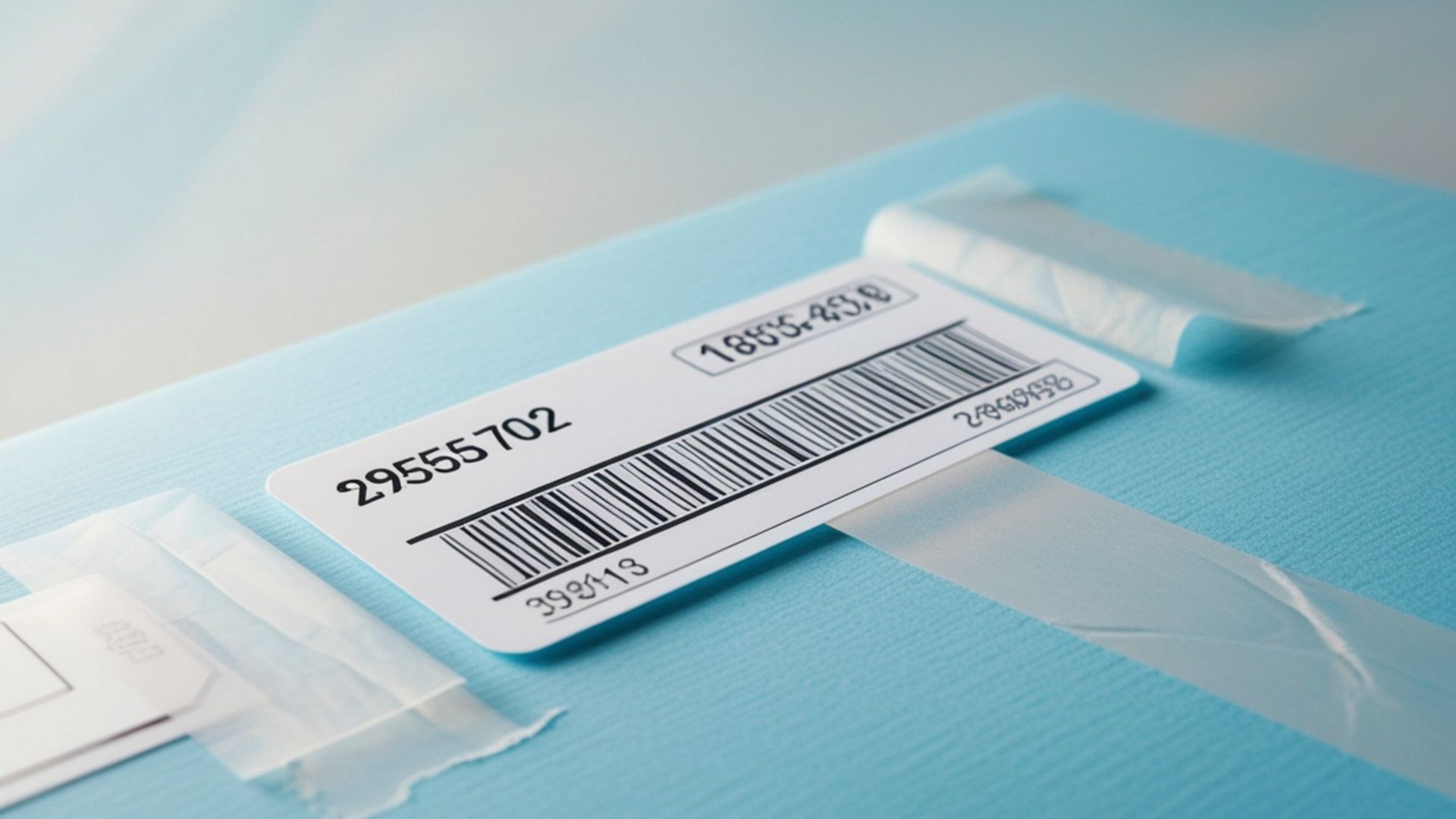
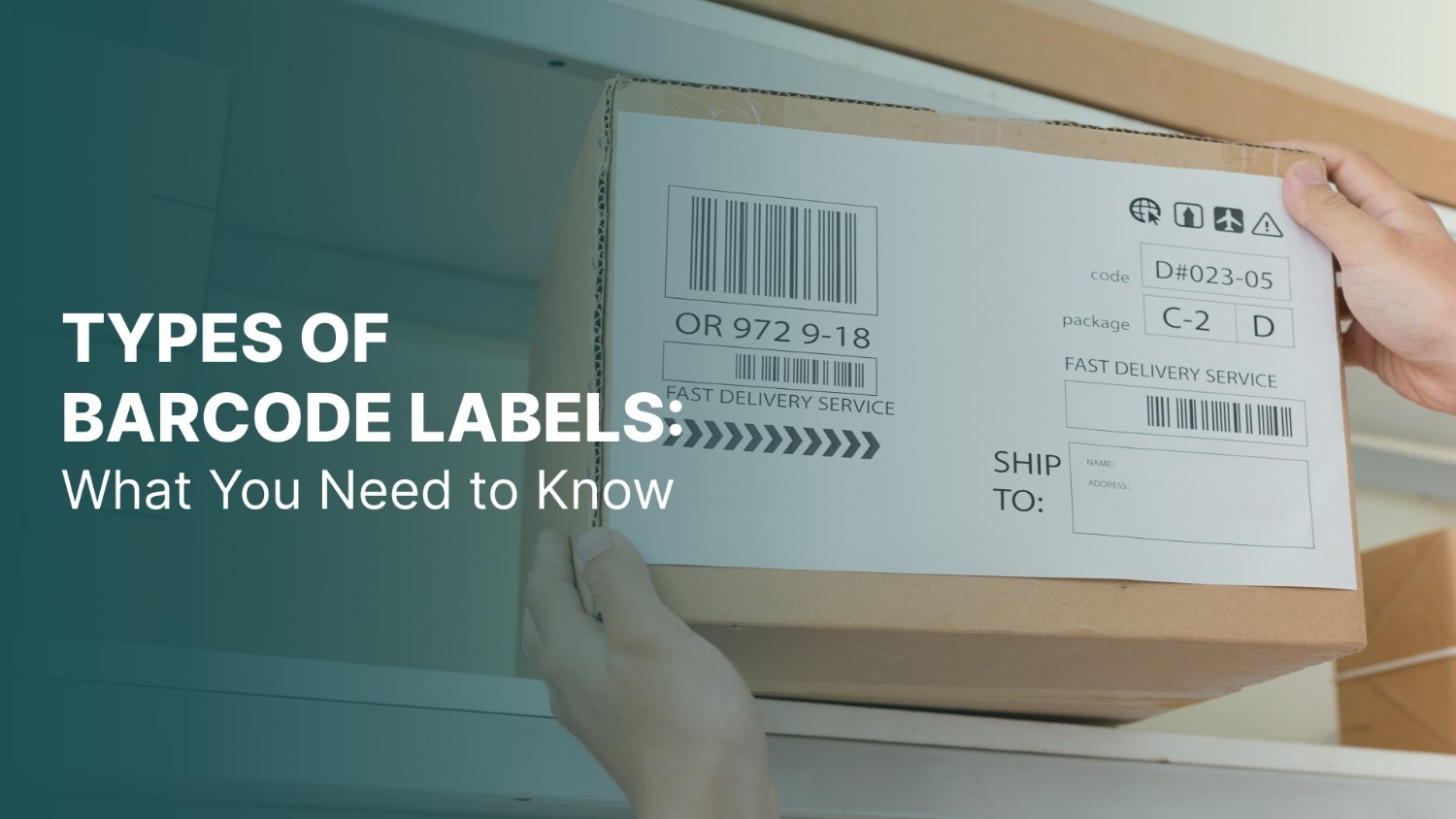
Barcode labels are essential in managing and tracking products across industries, enabling efficient supply chains, compliance with regulations, and accurate inventory management. They are available in a variety of types based on print technology and material composition, each suited to different business needs. In this section, we'll categorize barcode labels based on their print technology and material types to help clarify their use and applications.
Print Technology-Based Barcode Labels
Let's take a look at print technology-based barcode labels.
Thermal Transfer Barcode Labels
Thermal transfer barcode labels use heat to transfer ink from a ribbon onto the label’s surface, ensuring a durable print that resists smudging and fading. This technology is ideal for products exposed to harsh environmental conditions like chemicals, moisture, or high heat.
Materials: Polyester, Polypropylene, Paper
Print Technology: Thermal Transfer Printing
Performance: Smear-resistant, high-quality print for long-lasting legibility
Benefits:
Ideal for products that require long-term traceability, even under tough conditions.
Durable, smudge-resistant prints ensure readability for the entire product lifecycle.
Works well in extreme environments such as outdoor machinery or shipping.
Applications:
Shipping Labels: Designed to withstand the rigors of transport and handling.
Retail Tags: Ensures that barcodes on products remain clear throughout the retail process.
Asset and Outdoor Labels: Perfect for equipment or products exposed to the elements.
Direct Thermal Barcode Labels
Direct thermal barcode labels are printed without the need for ink or ribbon. The print is created by using heat to burn the image directly onto the label. While cost-effective, these labels have a shorter lifespan and are typically used for short-term applications.
Materials: Paper, Synthetic Materials
Print Technology: Direct Thermal Printing
Performance: Cost-effective, quick production, ideal for short-term use
Benefits:
Quick and inexpensive labeling solutions that reduce upfront costs.
Best for temporary packaging or short-term use where durability is not crucial.
Cost-efficient for low-volume applications.
Applications:
Receipts: Commonly used in point-of-sale systems where temporary legibility is sufficient.
Shipping Labels: Ideal for shipments requiring quick turnaround and where durability is less of a concern.
Material-Based Barcode Labels
Let's take a look at material technology-based barcode labels.
Polyimide Barcode Labels
Polyimide labels are made from a high-performance, durable polymer material known for its excellent resistance to heat and chemicals. These labels are ideal for high-temperature environments and are commonly used in industries like electronics and aerospace.
Material: Polyimide
Print Technology: Thermal Transfer Printable
Performance: Highly durable, heat-resistant, chemical-resistant, suitable for harsh environments
Benefits:
Ideal for environments with extreme temperatures and exposure to chemicals.
Highly durable, ensuring long-lasting performance even in demanding conditions.
Resistant to heat and flame, making them ideal for industrial applications.
Applications:
Electronics: Used for PCB identification, where high durability is required.
Automotive & Aerospace: Labels that can withstand extreme conditions in manufacturing processes.
Polyester Barcode Labels
Polyester (PET) labels are widely used for their exceptional durability, moisture resistance, and tear strength. These labels are commonly used for products that are exposed to environmental stress, including chemicals, moisture, and UV light.
Material: Polyester
Print Technology: Thermal Transfer Printable
Performance: Tear-resistant, moisture-resistant, UV stable
Benefits:
Offers excellent resistance to harsh chemicals and moisture, making them perfect for industrial applications.
Durable and long-lasting, with superior adhesion properties for various surfaces.
UV stable, ensuring that the print remains legible in outdoor applications.
Applications:
Chemical Containers: Used in industrial sectors where labels must withstand exposure to chemicals and harsh environments.
Outdoor Equipment: Suitable for equipment exposed to UV rays, moisture, and rough handling.
Polypropylene Barcode Labels
Polypropylene (PP) labels are a popular choice for packaging applications due to their moisture resistance, durability, and flexibility. They are commonly used in food and beverage packaging, retail environments, and logistics.
Material: Polypropylene
Print Technology: Thermal Transfer Printable
Performance: Water-resistant, durable, flexible, suitable for various surfaces
Benefits:
Water-resistant, making it ideal for products in wet environments or subject to frequent handling.
Flexible and tough, ensuring the labels adhere well to curved or irregular surfaces.
Cost-effective for high-volume production.
Applications:
Food & Beverage: Labels used on packaging for food items, bottles, and other consumer goods.
Retail: Commonly used for retail packaging labels, including price tags and promotional materials.
Paper Barcode Labels
Paper labels are the most cost-effective option, offering good performance for short-term use in environments where durability is not as critical. They are commonly used for shipping, temporary labeling, and promotional applications.
Material: Paper
Print Technology: Thermal Transfer Printable
Performance: Economical, easy to print, suitable for temporary applications
Benefits:
Cost-effective and widely available, making them ideal for low-cost, high-volume applications.
Easy to print on and customize for various needs.
Suitable for temporary labeling applications where the lifespan of the label is not a primary concern.
Applications:
Shipping Labels: Ideal for labels on packages and shipments where durability is less of a concern.
Retail Tags: Commonly used for price tags and promotional labels.
Choosing the Right Barcode Labels for Your Business: Key Considerations
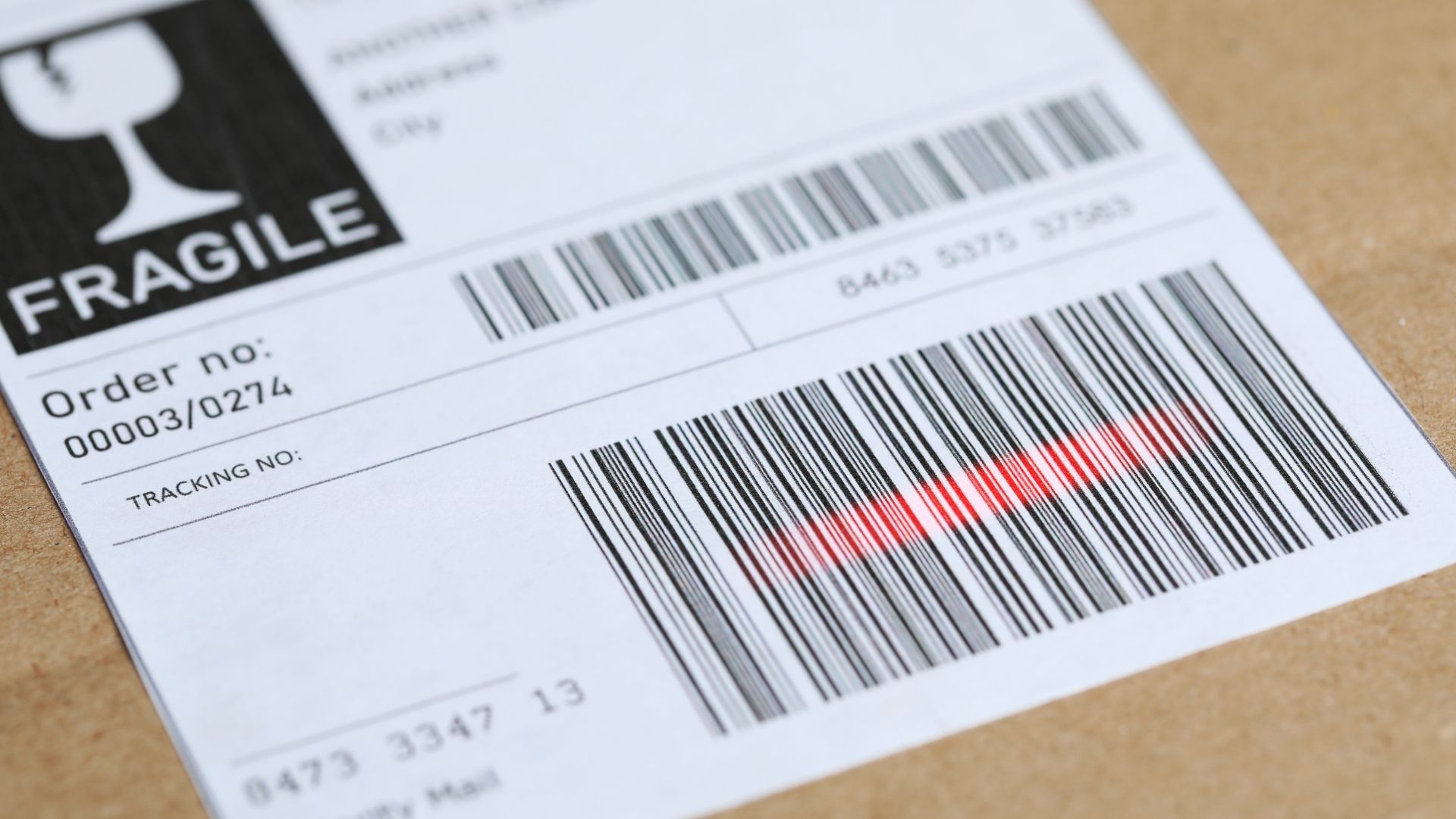
When selecting barcode labels, it's essential to consider:
Material: The surface the label will adhere to—whether it's paper, plastic, or metal- will affect the type of label material.
Durability: How long will the label need to last? Some labels are resistant to abrasion, chemicals, and high temperatures, making them ideal for long-term use.
Environment: Will the label be exposed to moisture, dirt, sunlight, or extreme temperatures? Different materials offer different levels of resistance to these elements.
Compliance Needs: Certain industries, such as pharmaceuticals and food and beverage, require specialised barcode labels that meet regulatory standards for traceability and safety.
Customizability: Does the label need to include specific features such as tamper evidence, UV protection, or colour coding?
Barcode Labelling in Different Industries: Tailoring Solutions for Your Needs
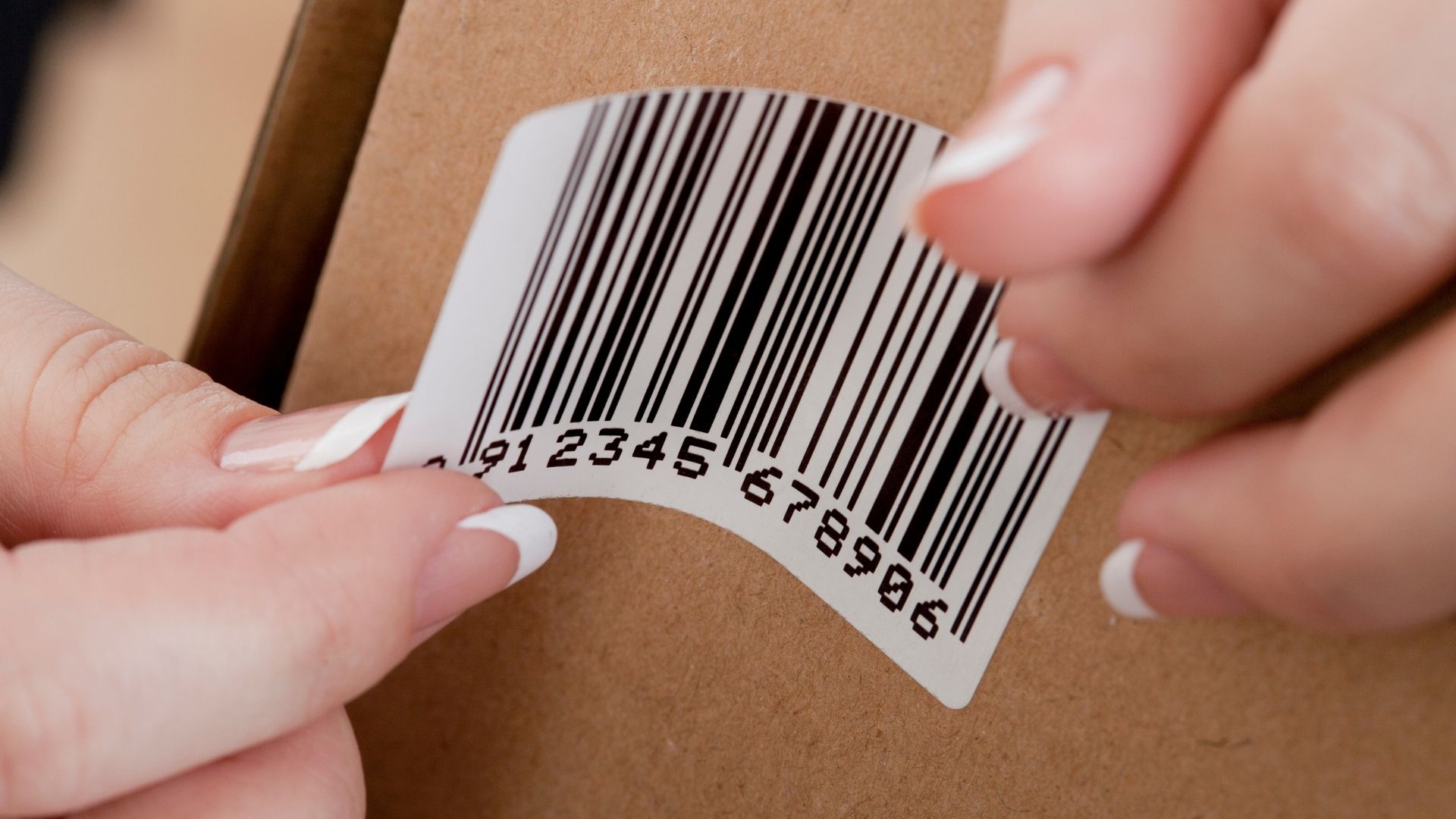
Barcode labels serve a variety of functions across different industries, and choosing the right type can significantly impact operational efficiency, compliance, and customer satisfaction.
Let’s explore how different industries benefit from barcode labelling solutions:
1. Pharmaceuticals & Healthcare
Need: Accurate traceability, anti-counterfeiting measures, and compliance with health and safety standards.
Solution: High-security labels like tamper-evident and holographic barcode labels ensure that pharmaceutical products are protected from counterfeiting and tampering. Labels must also be legible and durable for tracking and managing inventory over long periods.
2. Food & Beverage/FMCG
Need: Compliance with food safety regulations, product traceability, and high-quality packaging.
Solution: Barcode labels in the food and beverage industry must endure environmental challenges like moisture and temperature variations. Durable thermal transfer labels and recycled barcode options ensure compliance and longevity.
3. Electronics & Electrical
Need: Precise identification of components, protection from counterfeit, and ensuring product integrity.
Solution: Electronics manufacturers require labels that withstand extreme conditions. Polyimide and polyester-based barcode labels are ideal for labelling electronic components, as they offer resistance to chemicals, abrasion, and high temperatures.
4. E-commerce & Retail
Need: Efficient inventory management, accurate order fulfillment, and customer satisfaction.
Solution: E-commerce businesses benefit from using thermal transfer or direct thermal barcode labels for quick identification and traceability of products. These labels streamline the order and shipping process, ensuring faster delivery and fewer errors.
5. Manufacturing & Logistics
Need: Real-time tracking of parts, products, and shipments.
Solution: High-performance barcode labels are essential for the manufacturing and logistics industries, where quick and accurate tracking is critical. Customizable solutions for different surfaces and environmental conditions ensure smooth operations throughout the supply chain.
Your Solution for Durability and Compliance: Gannayak Packaging Barcode Label
At Gannayak Packaging, we understand that choosing the right barcode label is crucial for maintaining operational efficiency and ensuring compliance across industries. Our barcode labels are made from high-performance materials, including polyimide, paper, polyester, and polypropylene, to meet your labelling needs in diverse industries. With thermal transfer printable technology, our labels offer superior smear resistance and long-lasting legibility, even in harsh environments.
Why Gannayak?
Durable and Customizable: Our barcode labels are designed to perform under tough conditions, with customization options available for size, material, and printing.
Compliance: Our labels meet industry standards, ensuring your products remain compliant with regulations for pharmaceuticals, food, and electronics.
Sustainability: Gannayak’s recycled barcode labels offer an eco-friendly option for companies aiming to reduce their environmental footprint while maintaining label quality.
With Gannayak’s expertise, we can help you choose the best barcode label solution for your business, whether you need durable labels for electronics, tamper-evident labels for pharmaceuticals, or eco-friendly solutions for FMCG packaging.
Conclusion
Barcode labels may seem like a small part of the broader business ecosystem, but they play a monumental role in ensuring efficiency, compliance, and traceability. For procurement managers, packaging heads, and operations professionals, the choice of barcode label can directly affect cost, performance, and sustainability.
Understanding the different types of barcode labels and how they align with your business needs is crucial. With the right labels, your operations can run smoothly, your products can remain traceable, and your business can meet regulatory and environmental standards without compromise.
Contact Gannayak Packaging to start your journey towards better labelling today.
FAQs
What are the main types of barcode labels?
The main types are printed, thermal transfer, direct thermal, and recycled barcode labels. Each is designed for specific durability, application, and environmental needs.How do I choose the right barcode label for my business?
Choose based on material, durability, environmental exposure, and compliance requirements. For harsh conditions, go for thermal transfer labels; for short-term use, direct thermal labels are ideal.What industries benefit most from barcode labels?
Industries like pharmaceuticals, food & beverage, electronics, e-commerce, and logistics rely on barcode labels for product traceability, regulatory compliance, and efficient inventory management.What are the advantages of recycled barcode labels?
Recycled barcode labels are eco-friendly alternatives that maintain durability and quality, helping businesses meet sustainability goals while ensuring compliance and operational efficiency.Why is choosing the right barcode label important for my business?
The right barcode label ensures durability, compliance, and operational efficiency, reducing errors and enhancing product traceability across your supply chain.