Rising pressure from regulators, customers, and global supply chains has pushed packaging teams to rethink how polythene fits into long-term sustainability goals. The world now generates roughly 225 million tonnes of plastic waste annually, with packaging responsible for about a third of that burden.
Many teams struggle with the same challenge: maintaining durability, cost-control, and compliance while shifting to materials that actually reduce environmental impact. Understanding sustainable polythene options helps operations strengthen brand credibility, support ESG commitments, and streamline packaging decisions without adding complexity to everyday workflows.
Quick Overview
Recycled LLDPE, LDPE, and HDPE films cut virgin plastic use while still handling heavy loads, export routes, and fast packing lines.
PLA, PHA, and cellulose-based films fit short-shelf-life FMCG items, bakery wraps, and apparel inner packaging where compostability adds value.
Material selection hinges on moisture sensitivity, sealing-line compatibility, buyer mandates on recycled content, and stability against polymer price swings.
Smooth adoption depends on testing seal strength, verifying recycled-content claims, aligning with EPR rules, and securing a reliable supply for consistent batch quality.
What is Sustainable Polythene Packing?
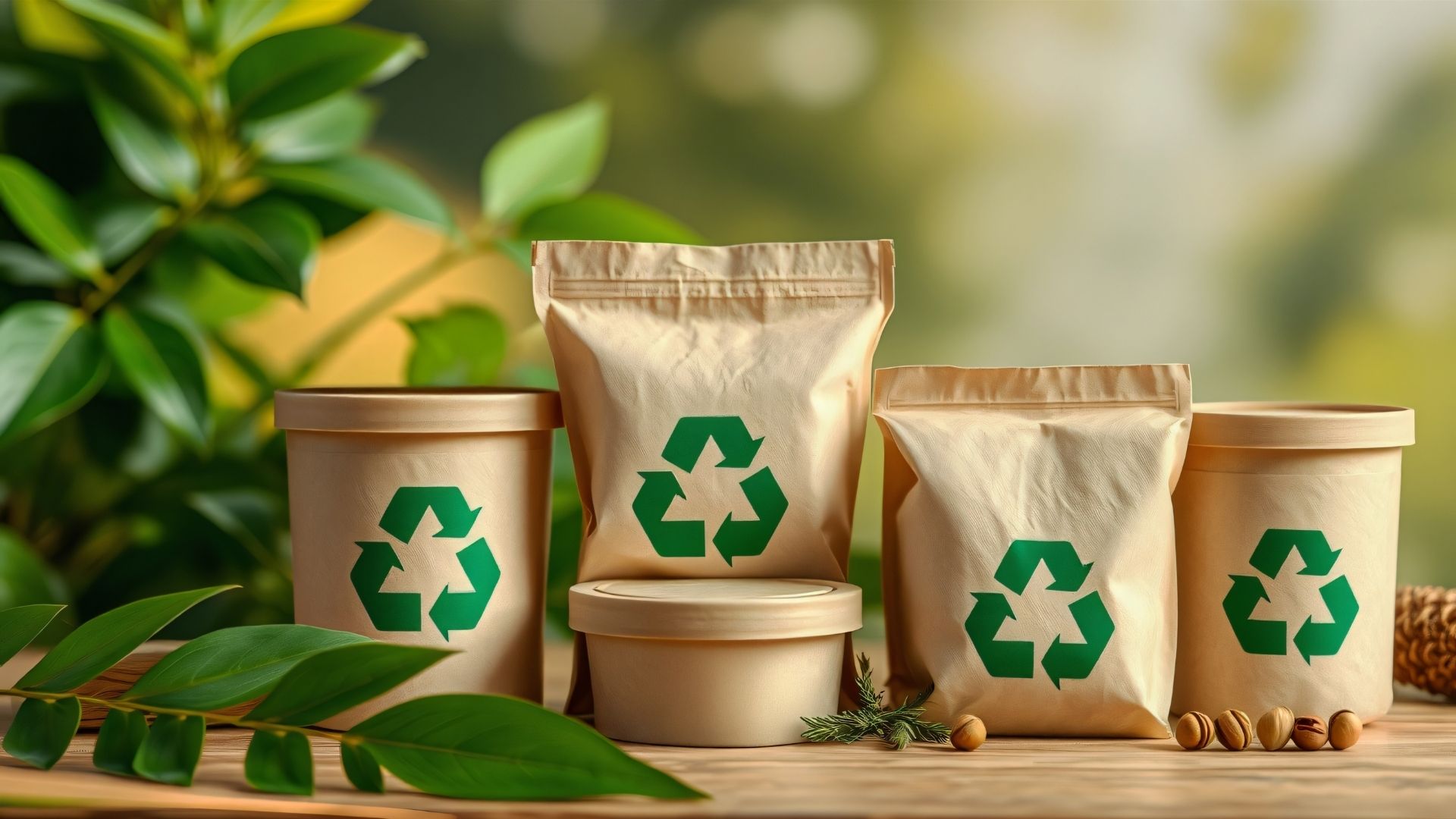
Sustainable polythene packaging refers to polyethylene materials designed to reduce environmental impact through recycled content, responsible sourcing, or improved end-of-life recovery. The focus stays on preserving the strength, flexibility, and barrier performance manufacturers rely on while cutting virgin plastic usage and overall waste generation. Through options like post-consumer recycled LLDPE or regenerated HDPE/LDPE granules, packaging teams gain a practical path to sustainability without disrupting existing workflows or product protection standards.
Why Sustainable Polythene Packaging Matters Today?
Sustainable polythene packaging matters because operational demands are rising while global buyers expect packaging to be lighter on the environment without sacrificing protection, compliance, or cost control.
Why it matters for decision-makers today:
Regulatory pressure is accelerating, with global EPR rules, plastic-waste caps, and stricter audits making non-sustainable packaging risky for exporters and manufacturers.
Large buyers increasingly mandate recycled-content packaging, making sustainability a requirement for retaining vendor approvals and winning new supply contracts.
Volatility in virgin polymer prices affects cost planning, while recycled polythene reduces dependency on unpredictable raw material markets.
Operational teams need durable packaging that performs in real manufacturing and logistics conditions, and recycled LLDPE/HDPE now meets those requirements reliably.
Sustainability commitments and ESG frameworks require measurable improvements, and switching to recycled polythene offers low-disruption, high-impact progress.
Brand credibility improves when packaging reduces waste, lowering environmental footprint without risking product safety or handling efficiency.
Knowing why it matters sets the stage for reviewing the specific alternatives that work across different production environments.
Eco-Friendly Alternatives to Traditional Polythene
Eco-friendly alternatives to traditional polythene offer high-performance options that reduce virgin plastic use while maintaining the strength, compliance, and operational reliability needed in manufacturing and export logistics.
Key alternatives worth evaluating:
Recycled Polythene
Supports heavy-duty packing for items like appliance parts, electronics, and industrial components without tearing during transit.
Runs smoothly on standard sealing machines used in pharma, FMCG, and e-commerce facilities, eliminating changeover downtime.
Helps teams meet recycled-content requirements demanded by global buyers, reducing risk during supplier audits.
Redirection of post-consumer plastic waste into recycled bags and rolls strengthens sustainability targets while keeping unit costs stable.
Bio-Based & Biodegradable Polymers
Works effectively for food-contact packaging such as bakery wraps, single-serve FMCG pouches, or cutlery sleeves where clarity and crispness matter.
Aligns with global retailer requirements that favor renewable-source packaging to improve environmental scores.
Suitable for short-shelf-life goods that move quickly through distribution, such as fresh produce or on-the-go retail items.
Supports green branding initiatives when companies aim to shift a portion of SKUs to biodegradable or bio-sourced materials.
Compostable & Plant-Based Films
Fits well for apparel and accessory packaging in export units, where moisture exposure is controlled, and compostable inner wraps enhance brand credibility.
Accepted by many sustainability certifications used by garments, lifestyle brands, and boutique manufacturers focused on eco-friendly packaging.
Performs reliably in sortation centers where flexible, lightweight packaging is needed for SKU identification and fast order fulfillment.
Adds value when brands promote low-impact packaging during product launches or sustainability-driven marketing campaigns.
Once the options are understood, the next step is learning how to select the material that fits your operational needs.
Choosing the Right Sustainable Packaging Option
Choosing the right sustainable packaging option depends on how well each material can support product protection, production flow, compliance demands, and buyer expectations without introducing operational friction.
Key factors to evaluate:
Required load endurance for items such as machine parts, electronics, bulk FMCG units, or garments moving through long-haul export routes
Mandatory compliance needs like recycled-content thresholds, food-contact certifications, pharma-grade hygiene requirements, or importer-specific sustainability criteria
Fit with existing sealing or wrapping systems so high-speed packing lines continue running at the same throughput
Sensitivity of the packed SKU to moisture, dust, abrasion, or static, especially for chemicals, FMCG refills, or PCB-level electronics
Cost stability when comparing virgin polymer fluctuations against the more predictable pricing of recycled LLDPE/HDPE granules and recycled-film rolls
Buyer procurement terms that dictate sustainable packaging for vendor qualification, particularly with global retailers, pharma clients, and export-driven buyers
Handling environment across warehouses and logistics where materials must withstand stacking, conveyor friction, or manual handling pressures
ESG score improvements are required for audits, where switching to recycled or renewable-source films can deliver measurable reductions in plastic footprint
Now as moving forward, lets look into the benefits that actually comes with the sustainable options.
Cost and Compliance Benefits of Sustainable Options
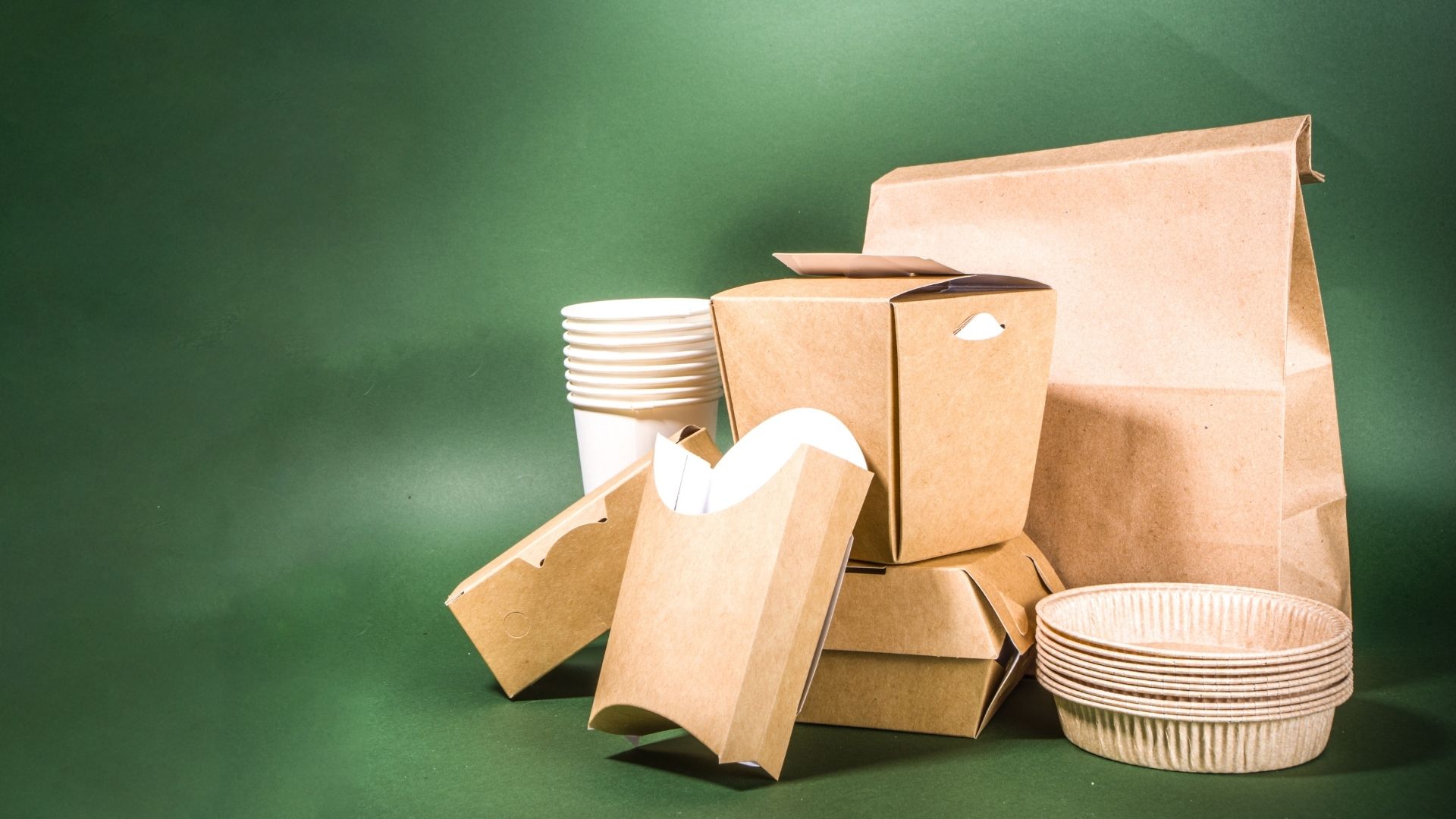
Sustainable packaging options deliver measurable financial and regulatory advantages that help operations stay efficient, audit-ready, and less dependent on volatile raw-material markets.
Key benefits to consider:
Lower exposure to virgin polymer price spikes by shifting part of your packaging mix to recycled LLDPE, LDPE, or HDPE materials
Reduced waste-handling expenses when recycled films generate less scrap and integrate better with circular-recovery programs
Faster approval during supplier audits, where recycled-content usage, traceability, or sustainability reporting is now a standard requirement
Stronger compliance with global EPR mandates, plastic-waste directives, and importer rules that penalize high virgin-plastic usage
Increased eligibility for retailer and export contracts that prioritize low-impact, responsibly sourced packaging
Lower long-term TCO (total cost of ownership) when recyclable or recycled materials reduce disposal fees and improve material efficiency
Improved ESG scorecards, where documented reductions in virgin-plastic consumption directly support sustainability KPIs
Reduced risk of non-compliance penalties tied to single-use plastic bans or environmentally sensitive product categories
Now, it helps to understand how manufacturers can introduce these changes without slowing production.
How Manufacturers Can Implement Sustainable Packaging?
Implementing sustainable packaging becomes far more achievable when the transition is approached as an operational shift rather than a material swap.
Practical steps to move forward:
Start With Your Product Requirements
→ Does the product need moisture, abrasion, or static resistance?
If yes: Consider recycled LLDPE/LDPE/HDPE films for durability.
If no: Evaluate compostable or bio-based films for low-barrier applications.
Confirm Buyer or Export Mandates
→ Do buyers require recycled content or renewable-source materials?
If yes: Prioritize recycled polythene or bio-based films.
If no: Choose the best option based on cost stability and operational fit.
Assess Equipment Compatibility
→ Can your current lines run the selected material with minor adjustments?
If yes: Proceed to pilot testing.
If no: Rework sealing temperatures or plan a phased shift to compatible films.
Validate Compliance
→ Does the material meet food-contact, pharma, or export regulations?
If yes: Move to limited production trials.
If no: Select an alternative sustainable option with the right certifications.
Evaluate Cost & Supply Stability
→ Does the material offer predictable pricing and consistent availability?
If yes: Approve for scale-up.
If no: Reconsider sourcing strategy or negotiate bulk supply with reliable partners.
Scale With Clear KPIs
→ Track improvements in plastic reduction, waste, and throughput efficiency.
If results meet targets: Roll out plant-wide.
If not: Adjust blend ratios, thickness, or sourcing until performance stabilizes.
Seeing implementation steps is helpful, but industry use-cases offer a clearer view of how these materials perform day to day.
Industry Examples of Sustainable Packaging in Action
Sustainable polythene packaging is already proving effective across sectors where durability, compliance, and cost control drive every decision.
How different industries are applying it:
FMCG & Food Processing
Recycled LLDPE liners and secondary bags are being adopted for bulk powders, snack cartons, and transit packaging because they maintain seal integrity during high-speed filling and reduce reliance on virgin polymer.
Bio-based wraps are being used for short-shelf-life bakery and fresh produce lines where renewable-source materials strengthen retailer sustainability scores.
Pharma & Healthcare
Recycled HDPE films are replacing virgin poly bags in non-sterile secondary packaging, offering strong tear resistance during cartonization and improving compliance with recycled-content expectations from global buyers.
Compostable films are being trialed for certain overwraps where items don’t require strict moisture barriers, helping teams show ESG progress during annual audits.
Electronics & Electricals
Anti-static recycled LDPE bags are supporting PCB and component transport, ensuring protection against abrasion while cutting virgin plastic usage at scale.
Recycled film rolls are being used for cable and accessory bundling, allowing export units to meet sustainability criteria without altering existing machinery settings.
Apparel & Retail
Recycled poly garment bags are replacing traditional LDPE in export shipments, offering clarity and strength while meeting certifications preferred by global fashion retailers.
Compostable inner wraps are increasingly used for slow-moving lifestyle items, enabling brands to promote eco-conscious packaging during product launches.
E-Commerce & Warehousing
Recycled-film mailers and polybags are helping fulfillment centers reduce packaging costs and improve waste recovery rates without compromising dispatch speed.
Bio-based labels and recyclable sleeves are being integrated into SKU-level packing to enhance overall sustainability scoring across large product assortments.
Real-world use shows the potential, though understanding the risks involved ensures your transition stays predictable and well-managed.
Operational Risks to Watch When Shifting to Sustainable Packaging
Transitioning to sustainable polythene packaging brings clear advantages, but the real success depends on anticipating risks that can impact production flow, compliance checks, or export readiness.
Key risks to evaluate early:
Inconsistent material batches from low-tier suppliers: Variability in recycled-content films can lead to sealing defects, tearing, or clarity issues if suppliers lack proper sorting and extrusion controls.
Incorrect recycled-content claims during audits: Mislabelled or unverified material grades can trigger non-compliance findings in pharma, FMCG, and export audits, especially where traceability is mandatory.
Line slowdowns during initial trials: Sustainable films often require slight adjustments to temperature, dwell time, or tension, and skipping this calibration can reduce throughput.
Overlooking moisture and barrier requirements: Certain compostable or bio-based films may underperform in humid storage or long-haul transit unless matched correctly with the product category.
Supply delays from niche material manufacturers: Some eco-materials have longer lead times, and procurement teams need stable, forecast-driven supply to avoid production interruptions.
Hidden cost spikes from incompatible secondary packaging: Sustainable inner wraps or bags may still require durable outer protection, and failing to account for the whole packaging system can distort cost expectations.
Real-world use shows the potential, though understanding the risks involved ensures your transition stays predictable and well-managed.
Choose Gannayak for Smarter Sustainable Packaging
Sustainable shifts become easier when supported by a partner who delivers performance, compliance, and cost-efficiency without compromising operational reliability. Gannayak Packaging helps teams transition to eco-friendly polythene solutions with a portfolio built for manufacturing, export readiness, and modern sustainability expectations.
What we offer for a seamless sustainability upgrade:
Recycled LLDPE Polythene Bags & Rolls deliver durable, eco-friendly protection for products that move through high-volume manufacturing and logistics.
Recycled PP, LDPE & HDPE Granules support polymer reduction goals while maintaining process stability in injection molding, extrusion, and blow molding.
Printed Labels provide moisture-resistant, long-lasting clarity for FMCG, pharma, cosmetics, and export packaging lines.
High Security Labels protect brands from tampering and counterfeiting with holographic, UV-sensitive, and void-based technologies.
Barcode Labels withstand harsh handling and maintain scan accuracy across warehousing, electronics, and cold-chain environments.
Thermal Transfer Ribbons ensure sharp, durable print performance for shipping, inventory, and compliance labeling.
Conclusion
Sustainable polythene packaging is no longer an optional upgrade; it has become a practical path to reduce environmental impact while keeping production, compliance, and cost objectives firmly on track. Choosing the right alternative depends on understanding how each material performs under real manufacturing, logistics, and audit conditions. Gannayak Packaging supports this transition by offering durable, compliant, and eco-friendly polythene solutions that fit seamlessly into existing operations.
Take the next step toward smarter, sustainable packaging. Reach out with Gannayak Packaging today.
FAQs
What makes polythene packaging sustainable?
Polythene becomes sustainable when it uses recycled content, reduces virgin plastic consumption, and maintains recyclability at the end of life. Materials like recycled LLDPE, LDPE, and HDPE offer the same durability as traditional films while helping businesses meet circular-economy goals and compliance requirements.
Is recycled polythene as strong as virgin polythene?
Recycled polythene from well-processed post-consumer or industrial waste can match the tensile strength and tear resistance of virgin grades. Many manufacturers use it for heavy-duty secondary packaging, pallet covers, and export shipments without compromising operational performance.
How do sustainable polythene options impact cost?
Costs often become more predictable because recycled materials are less exposed to global virgin polymer price fluctuations. Many companies also reduce waste-handling fees and improve audit readiness, making the total cost of ownership lower over time.
Which industries benefit most from sustainable polythene packaging?
Industries with high-volume logistics—such as FMCG, pharma, electronics, apparel, and e-commerce—see the greatest advantages because recycled polythene withstands transport pressure while helping brands meet sustainability targets.
Can sustainable polythene be used on existing packaging machinery?
Most recycled polythene films run smoothly on standard sealing lines, shrink tunnels, and automated packing systems with minor adjustments to temperature or tension. This compatibility helps teams upgrade materials without disrupting throughput or production schedules.