Counterfeiting has become a daily concern for manufacturers across India and export-driven sectors. Whether you operate in pharmaceuticals, FMCG, electronics, or logistics, the impact goes far beyond revenue loss.
Fake products interrupt production schedules, strain QA teams, trigger compliance risks, and damage the reputation you’ve spent years building. You invest in research, materials, and packaging integrity, yet imitation products still appear in the market.
According to OECD and EUIPO, global trade in counterfeit and pirated goods crossed $467 billion, showing how widespread the problem has become.
This guide covers how anti-fraud labels function, how to select the right security features, and how to link them with serialisation for long-term product protection in 2026.
Key Takeaways
Counterfeiting is a major threat to Pharma, FMCG, Automotive, and Electronics manufacturers.
Anti-fraud labels give immediate, verifiable proof of product authenticity and tampering.
Use a layered structure: tamper-evident features, holographic elements, and covert/UV components.
Use security labels combined with serialization. Include barcode traceability. Employ durable thermal transfer printing.
What Are Anti-Fraud Labels, and Why Do They Matter?
Anti-fraud labels are specialised security labels designed to prevent counterfeiting, diversion, and tampering. They include overt features that are visible to users, and covert features that only inspectors or internal teams can identify.
These hidden elements may include things like microtext that can only be seen under magnification or invisible inks that react under specific light. Together, these features make it extremely difficult for unauthorised parties to duplicate or alter your packaging.
A strong security label acts as:
A mark of authenticity
A physical seal of integrity
A data carrier for serialisation and track & trace
A clear deterrent to counterfeiters
Fake packaging may look similar on the surface, but it rarely survives deeper authentication checks. This is why security labels are widely adopted in pharmaceuticals, cosmetics, FMCG, electronics, automotive components, government documents, and export packaging.
Note: Gannayak Packaging provides a complete range of high-security labels, barcode labels, printed labels, and thermal transfer ribbons designed to support both Indian manufacturers and US-bound export shipments.
Important Functions of Anti-Fraud Labels:
The following table explains the core functions of anti-fraud labels:
Core Function | Description | Example Benefit for Your Business |
Authentication | Verifies a product's genuine origin and validates that it came from your brand. | Prevents fake products from being mistaken for yours, protecting your brand value. |
Tamper Evidence | Provides irreversible physical proof if a product or package has been opened or altered. | Ensures product integrity for safety-critical items (e.g., pharmaceuticals, food), reducing liability. |
Traceability | Enables tracking of individual products through the supply chain from manufacturing to sale. | Helps identify sources of diversion or counterfeiting, improving supply chain control. |
Brand Protection | Deters counterfeiters and signals your commitment to quality and authenticity. | Enhances consumer trust and maintains premium market positioning. |
Why Counterfeiting Has Increased in Manufacturing Supply Chains?
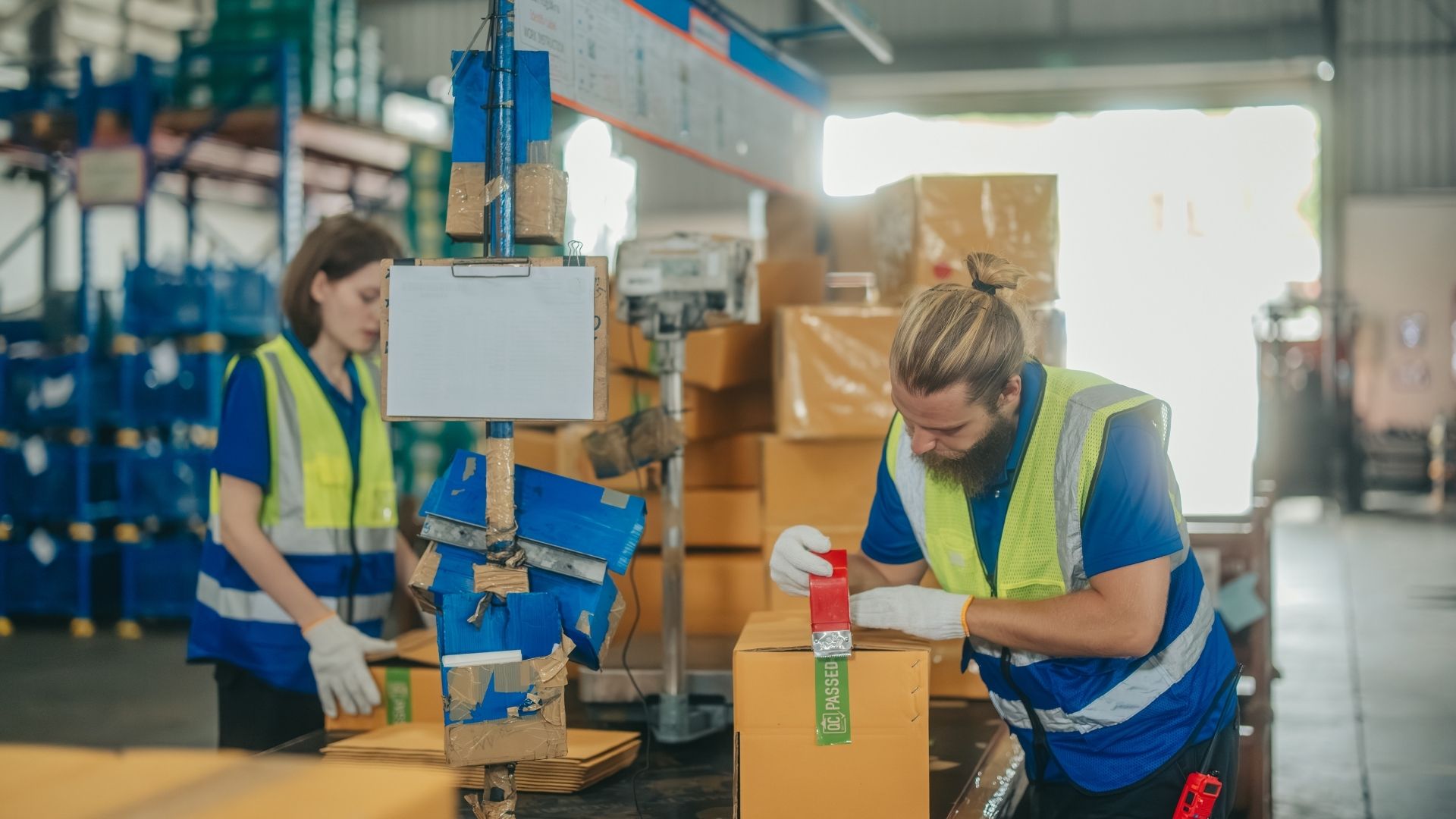
Counterfeiting has grown because today’s supply chain environment creates more entry points for fraudulent goods. Key factors include:
1. Global Production Networks
Distributed manufacturing and outsourced packaging operations create opportunities for duplicate materials to enter the system unnoticed.
2. High-Resolution Digital Printing
Counterfeiters can now replicate logos, colours, and substrates with surprising accuracy, especially when brands rely on low-security packaging.
3. Price-Sensitive Consumer Segments
Cheaper alternatives attract customers who may not realise the safety risks of using non-authenticated products.
4. Low Barriers for Illicit Producers
Basic printing tools, graphic design software, and online marketplaces make it easier to distribute fake products.
These factors show why physical packaging security is no longer optional. Anti-fraud labels give companies a practical, scalable method to block counterfeits before they reach distributors or customers.
Understanding the True Business Impact of Product Fraud
For mid-to-large manufacturers, exporters, and logistics operators, the damage caused by product fraud, which includes counterfeiting, grey market diversion, and product tampering, is a strategic risk that affects every department.
1. Direct Revenue Loss
Counterfeit versions of fast-moving items reduce market share and force legitimate brands to lower prices or increase marketing spending.
2. Operational Disruption
Fake products mixed with authentic shipments create challenges for QA teams, require unplanned audits, and delay exports.
3. Regulatory and Safety Risks
WHO estimates that a significant volume of medical products in emerging markets is substandard or falsified, making authentication essential for pharma exporters.
4. Brand Reputation Damage
Poor performance or safety failures caused by counterfeit goods often reflect back on the real manufacturer.
Anti-fraud labels reduce these risks by making it difficult for counterfeiters to replicate your packaging and by giving QA and logistics teams fast ways to validate goods.
Key Types of Anti-Fraud Labels and Their Applications
A successful anti-counterfeiting programme employs a multi-layered security approach, combining overt features (for easy visual checks) and covert features (for expert verification).
1. Tamper-Evident Labels: The Physical Breach Indicator
These materials are engineered to self-destruct or leave a permanent residue when removed, providing irreversible physical proof of interference.
Tamper-Evident Type | How It Works | Best For (Application) |
VOID Labels | Leave “VOID” text when peeled | Pharma cartons, electronics, warranty seals |
Destructible Labels | Break into small pieces on removal | Asset tagging, component authentication |
Security Seal Labels | Tear on opening | FMCG, food packaging, e-commerce shipments |
These labels prevent resealing and reuse of original packaging, especially important in pharmaceuticals, cosmetics, and electronics.
If you need support identifying the right material or specification, explore Gannayak’s high-security label portfolio to get all the information with just a click. Contact now.
2. Overt Security Features: Visual Verification for Everyone
These elements can be seen without any equipment, enabling customers, distributors, and QA teams to verify authenticity at a glance.
Overt Security Feature | What It Is | Benefit/Application |
Holographic Labels | Uses advanced optical technology to display multi-dimensional, complex images that are virtually impossible to duplicate with standard printing. | Luxury goods, high-value electronics, official documents for brand protection, and a strong visual deterrent for all products. |
Security Inks (e.g., Colour-Shifting) | Inks that shift in colour when seen from various angles or under certain conditions. | Brand authentication on packaging and high-security documents is difficult for casual counterfeiters to mimic. |
3. Covert Security Features: Expert and Forensic Protection
Covert features are hidden from the public and are only used by inspectors, regulators, or internal QA teams for high-level authentication, making them incredibly difficult for counterfeiters to detect or reproduce.
Covert Security Feature | How It's Used | Ideal For (Industry) |
UV-Sensitive Inks | Invisible until exposed to a specific spectrum of UV light, revealing hidden text or graphics. | Pharmaceuticals authentication, electronics component identification, and anti-diversion efforts. |
Microtext | Extremely tiny text or numbering embedded within the label design, visible only with magnification. | High-security documents, pharmaceutical labels, and brand protection against high-precision replication. |
Taggants/Forensic Markers | Microscopic chemical or DNA markers are embedded in the label, requiring specialised equipment for verification. | Highest security applications for pharmaceuticals, government documents, and extreme anti-counterfeiting needs. |
Covert layers make replication extremely complex, often requiring specialised equipment.
Connecting Security Labels with Barcode Traceability
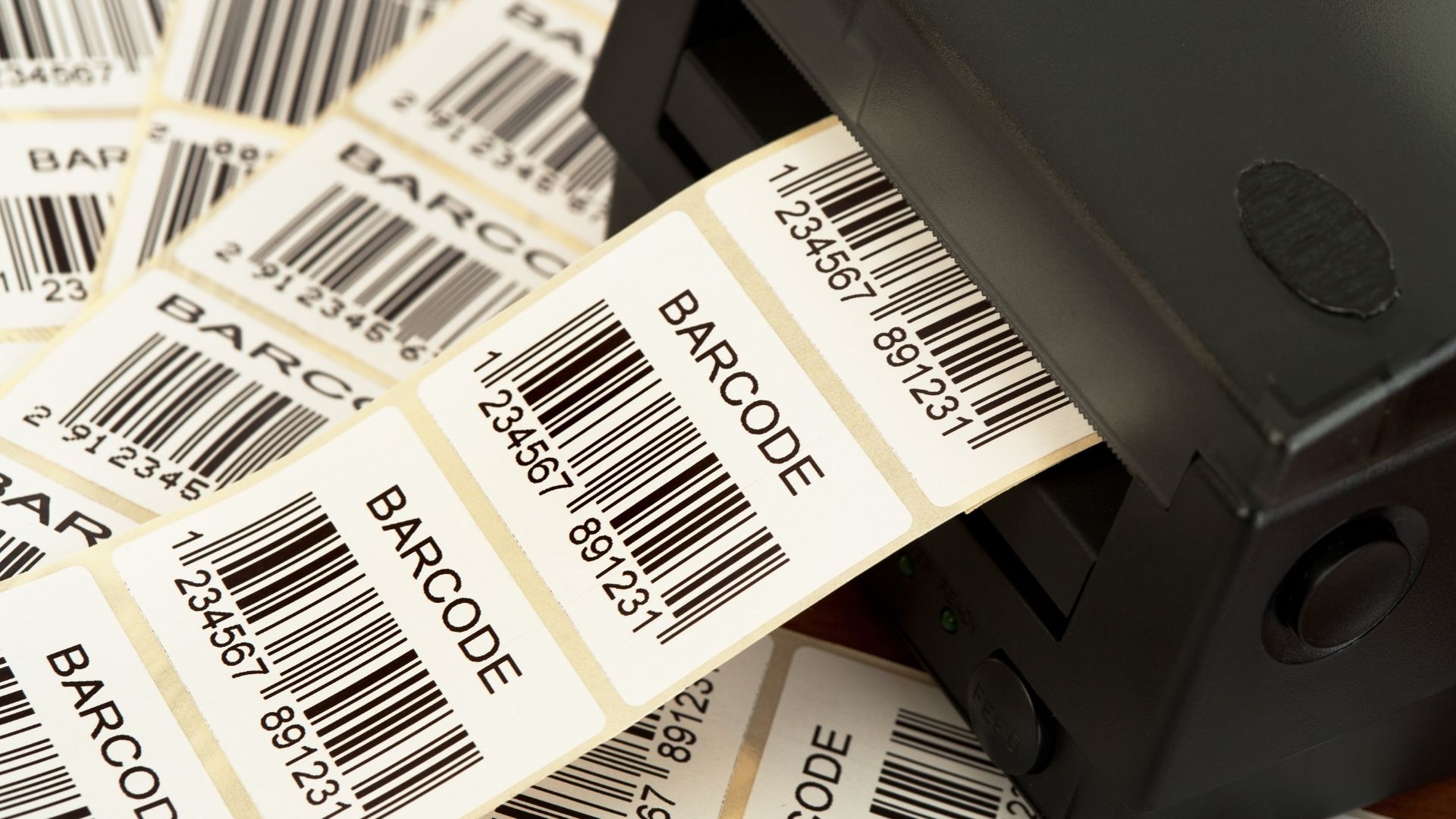
For mid-to-large businesses in E-commerce, Warehousing, and Logistics, the move toward stricter track-and-trace requirements means security and traceability must work in tandem. Anti-fraud labels are no longer just seals; they are integral data carriers, enabling comprehensive supply chain visibility.
The seamless operation of this system is reliant on high-quality input materials, which is why we emphasise the performance of our barcode labels and thermal transfer ribbons to ensure the codes remain scannable and legible throughout the entire supply chain.
Key Components of Traceability
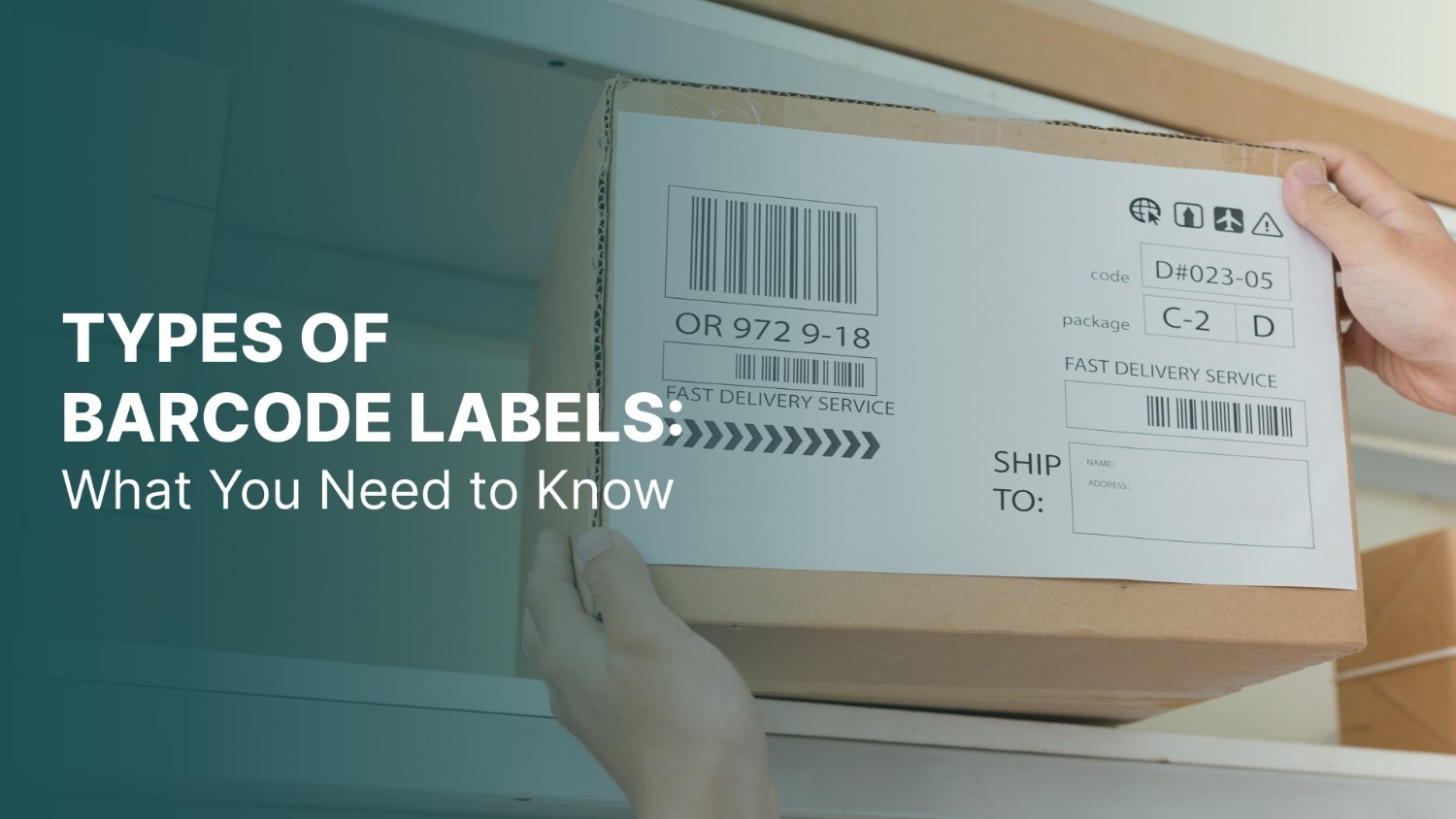
Serialisation: Each product receives a unique alphanumeric or coded identity.
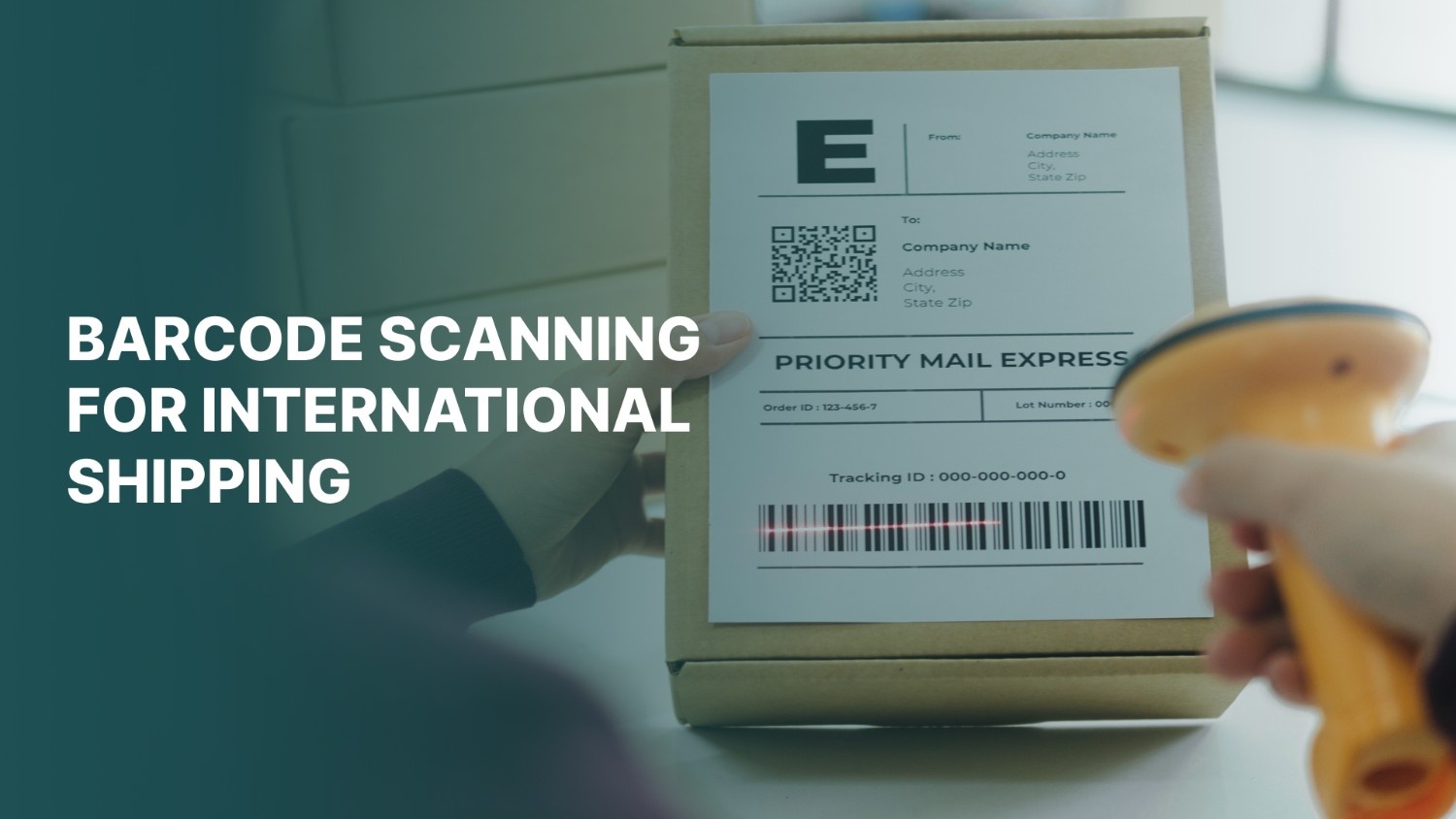
Scanning reveals whether the product is genuine or an unauthorised duplicate.Supply Chain Tracking: Barcode labels allow manufacturers to follow product movement across warehouses, distributors, and retail points. This is crucial for exporters dealing with region-specific pricing or regulatory audits.
Diversion Detection: Unique codes flag grey-market activity when goods appear in unintended markets.
Print Durability: Smooth traceability depends on consistent scanning performance.
Gannayak Packaging supplies barcode labels that are resistant to moisture, smudging, and abrasion, supported by thermal transfer ribbons designed for long-term legibility.
Are your current thermal transfer ribbons and barcode labels durable enough to withstand the rigour of your export supply chain without smudging or fading?
Click here to consult with a labelling expert about upgrading to high-durability, anti-smear thermal transfer materials that make sure that your data remains intact and scannable.
Choosing the Right Security Solution for Your Products
Not all labels suit all conditions. Selection depends on:
Packaging surface
Temperature exposure
Regulatory requirements
Lifetime of the product
Export route and handling conditions
1. The Layered Security Approach
The most effective anti-counterfeiting strategy employs multiple security features, creating layers that are exponentially more difficult for a counterfeiter to defeat.
Combine Overt and Covert: Start with an overt feature like a custom holographic label for immediate, public verification. Then, add a covert feature, such as UV ink or microtext, for expert authentication.
Integrate Tamper Evidence: Always include a tamper-evident feature like a VOID label to signal any unauthorised access or product alteration.
Add Traceability: Incorporate a unique serialised barcode or QR code that connects to a secure database for comprehensive track & trace capabilities. This is particularly vital for pharmaceutical packaging labels and electronics.
2. Matching Material to Application
The choice of label material and adhesive is critical for the label's performance, durability, and compatibility with your product and packaging surfaces.
Label Material Type | Key Features | Ideal Application |
Polyimide | High heat resistance, excellent durability, and chemical resistance. | Electronic PCB identification, high-temperature component labelling. |
Polyester | Strong, tear-resistant, moisture and chemical resistance, durable. | Asset tags, outdoor labels, rating plate labelling, and labels needing long-term durability. |
Polypropylene | Flexible, good chemical resistant, and cost-effective for general use. | General product identification, retail packaging, and food packaging labels (with appropriate adhesive). |
Paper | Economical, easy to print, widely used. | Shipping labels, general-purpose barcode labels where durability isn't paramount. |
When making these choices, consider the entire lifecycle of your product, from manufacturing and transit to end-user interaction and potential returns. A seasoned security label provider such as Gannayak Packaging can help you choose the right mix of features for your application, ensuring both compliance and reliable performance.
Selecting the correct label structure is only part of a successful anti-counterfeit strategy. How those labels are applied, handled, and monitored across your production line determines their actual effectiveness.
Best Practices for Implementing Anti-Fraud Labels
To make your security labelling strategy truly effective, it must be supported by the right operational practices across packaging, QA, and supply chain teams.
Apply Labels Strategically: Place labels on clean, dry surfaces with minimal curvature. Security elements should be easy to see and difficult to remove. For bottles and jars, pairing labels with shrink bands adds a second tamper barrier.
Train Packaging and QA Teams: Teams should understand correct label application, pressure application, drying/adhesion guidelines, and authentication checks. Inspection training ensures counterfeit indicators are properly identified.
Perform Regular Audits and Verification Scans: Routine barcode or QR code scans help detect duplicate codes, diversion, or missing items early. This strengthens overall packaging security during storage, picking, and dispatch.
Use Cost-Effective, Customisable Structures: Security features can be customised to match your budget and volume needs. Many manufacturers combine economical tamper-evident labels with selective holographic or covert features to balance cost and protection.
Once these best practices are in place, the next step is partnering with a supplier who can support your security framework with consistent materials, reliable bulk supply, and advanced labelling capabilities.
Why Gannayak Packaging Is a Strategic Partner for Anti-Fraud Labelling

When selecting a partner for your high-volume labelling and brand protection needs, you require more than just a vendor. You need a cross-category supplier who understands the complexity of both material science and supply chain integration across India and the US export market.
Mid-to-large manufacturers need a supplier who can do more than print labels. They need reliability, consistency, and cross-category support. Gannayak Packaging offers:
1. A Complete Security and Traceability Portfolio
High-security labels: tamper-evident, holographic, UV-sensitive
Thermal transfer ribbons: wax, wax-resin, and resin
Printed labels for branding and compliance
This helps companies consolidate vendors and stabilise supply chain performance.
2. Durability for India and US Export Requirements
Labels and ribbons are engineered for conditions such as:
High humidity
Abrasion during transit
Temperature shifts in air cargo
Chemical exposure in industrial environments
Resin ribbons support long-term print integrity on electronics, pharma, automotive parts, and outdoor equipment.
3. Sustainability Options for Modern Packaging Teams
Growing audits and ESG goals push companies to adopt recyclable packaging materials. Gannayak Packaging provides:
These support cost-efficient production while reducing environmental impact.
4. High-Volume Customisation and Scale
From high-volume label runs to export-ready barcode rolls, Gannayak Packaging supports manufacturers with turnovers above ₹5 crore to ₹250 crore and above. This includes:
Custom security patterns
Specialised adhesives
Bulk barcode labels
Electronics labelling solutions
FMCG and pharmaceutical packaging labels.
Are you ready to fortify your products against the threat of counterfeiting with an integrated labelling and traceability strategy?
Partner with Gannayak Packaging today to secure your brand's future. Contact us for a detailed consultation on your custom anti-fraud labels and high-volume labelling requirements.
Conclusion
Anti-fraud labels in 2026 have become essential for manufacturers aiming to protect their products, customers, and brand reputation. When combined with tamper evidence, holography, covert security, durable barcode labels, and high-performance printing ribbons, they create a strong and reliable defence against counterfeiting and diversion.
A structured approach to security labelling helps you detect unauthorised activity earlier, simplify QA authentication, strengthen compliance, and support smooth export operations.
Gannayak Packaging provides an end-to-end solution for security labels, barcode traceability, thermal transfer ribbons, and sustainable packaging materials, allowing you to build a secure, scalable, and efficient packaging ecosystem.
If you are planning a new product launch, updating export packaging, or addressing recent counterfeit incidents, this is the right time to upgrade your security labelling framework.
Connect with Gannayak Packaging to build a custom anti-fraud labelling system that fits your product, compliance needs, and manufacturing scale.
FAQs
1. How should I decide between holographic labels and tamper-evident labels?
Both serve different purposes. Holographic labels authenticate the product at a glance, while tamper-evident labels reveal attempts to open or reuse packaging. Most brands use both for stronger protection.
2. Is serialisation mandatory for security labels?
Not for all industries, but it is highly recommended for pharmaceuticals, electronics, automotive components, and exporters who need complete track & trace visibility.
3. Will the labels survive export conditions like humidity, abrasion, or temperature changes?
Yes, when printed on polyester or polyimide labels with resin ribbons. These combinations offer high resistance to moisture, chemicals, and physical handling.
4. Can consumers verify authenticity using these labels?
Yes. Labels with QR codes or NFC tags allow customers to scan and receive instant verification from a secure database.
5. What techniques do counterfeiters use most often?
They usually attempt visual replication or try to remove and reapply labels. Using multiple security features together prevents counterfeiters from succeeding.