Tamper-evident security labels are meant to protect products from unauthorized access, substitution, and counterfeiting across manufacturing, packaging, and supply chain operations.
When packages or components are opened undetected, businesses face risks ranging from product contamination and revenue loss to regulatory non-compliance and brand damage. As supply chains grow more complex, the ability to visibly identify interference is an operational requirement rather than an added safeguard.
This blog explains what tamper-evident security labels are, how they work, the different types available, common industry applications, and the key factors to consider when selecting the right solution for reliable product and packaging protection.
Key Takeaways
Tamper-evident security labels provide an irreversible visual indication of unauthorized access, helping protect product integrity across the supply chain.
Different tamper mechanisms, such as void reveals, destructible films, holographic features, and color-change indicators, address varying security risk levels.
Material selection, adhesive technology, and print compatibility directly influence tamper reliability and long-term performance.
Integration with barcodes and traceability systems enables tamper detection to support batch tracking, audits, and authentication workflows.
Working with experienced security labeling partners reduces implementation risk and ensures consistent performance across high-volume applications.
What Are Tamper-Evident Security Labels?
Tamper-evident security labels provide clear, irreversible visual evidence when a product, package, or enclosure has been opened or interfered with.
Unlike standard labels, which can often be removed and reapplied without detection, tamper-evident labels are engineered to change appearance, fracture, or leave behind a visible message once tampering occurs.
These labels play an important role in product security and compliance by allowing manufacturers, distributors, and end users to quickly identify unauthorized access.
In regulated and high-value supply chains, tamper-evident security labels help protect product integrity, deter counterfeiting, support traceability requirements, and provide visible assurance that goods have not been altered prior to use or sale.
Types of Tamper-Evident Security Labels
Tamper-evident security labels are available in multiple formats, each designed to address specific security risks, surface conditions, and verification requirements.
Selecting the appropriate type depends on the level of protection needed and how tampering must be identified.
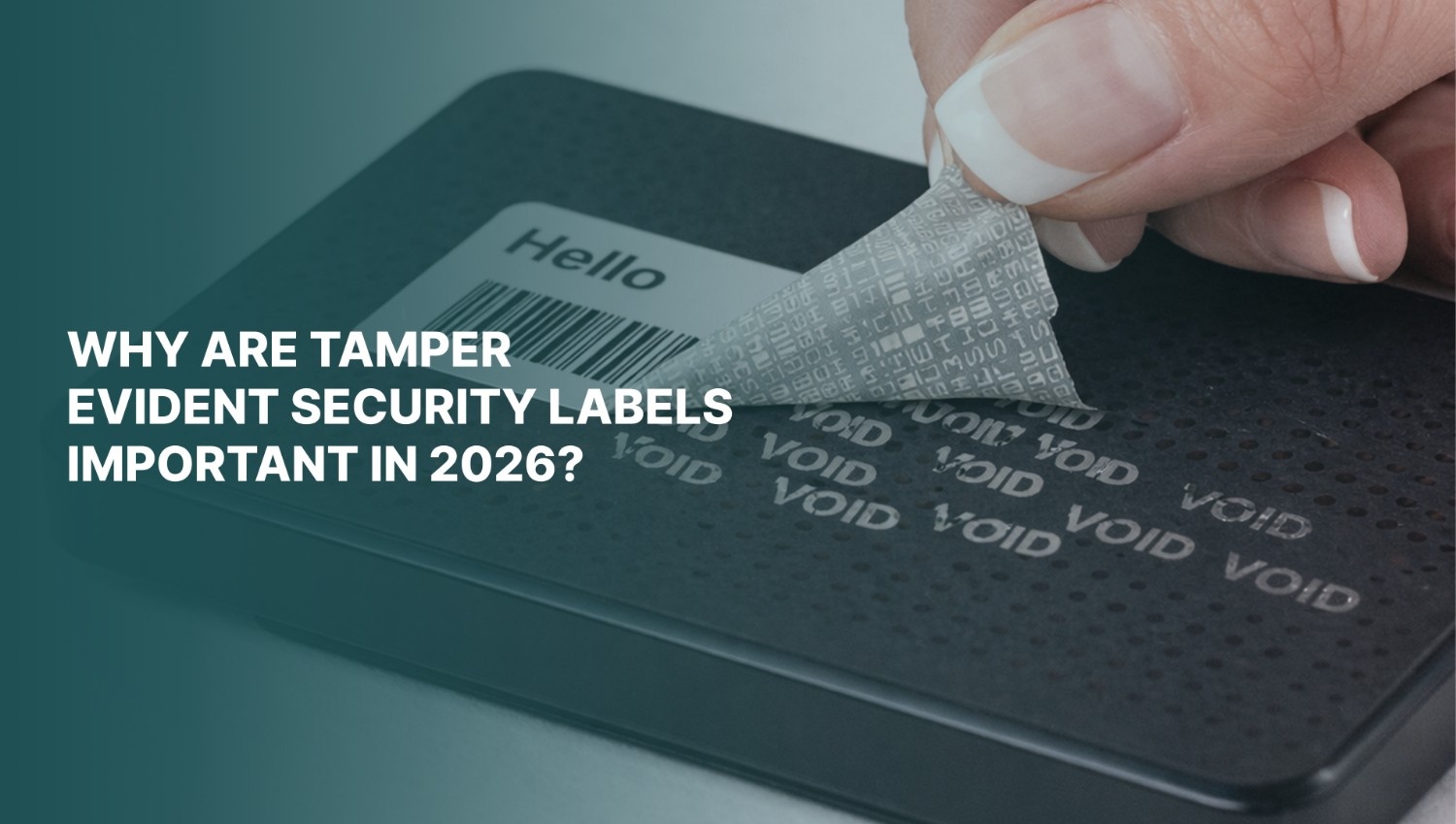
Void / reveal labels: These labels display a hidden message such as “VOID” or “OPENED” on the surface or label face when removal is attempted, making reapplication without detection impossible.
Destructible film labels: Manufactured from brittle materials, these labels fragment into small pieces when tampered with, preventing clean removal and reuse.
Holographic security labels: Combining tamper-evident features with unique holographic patterns, these labels provide both visible tamper detection and anti-counterfeit protection.
Heat or color change labels: Designed to react to temperature variation or physical disturbance, these labels change color or reveal visual cues when exposed to abnormal conditions.
NFC or secure digital tamper labels: Advanced solutions that integrate digital authentication, enabling tamper detection, tracking, and verification through connected systems.
Understanding these label types helps buyers align tamper-evident technology with product value, security risk level, and inspection processes.
How Tamper-Evident Labels Work?
Tamper-evident security labels function by undergoing a visible and irreversible change when an attempt is made to remove or alter them. These changes make it immediately clear that a package, product, or seal has been compromised.
The mechanism used depends on the label design, material structure, and adhesive formulation.
Common tamper-evident mechanisms include:
Void indicators: These labels reveal a predefined message such as “VOID” or “OPENED” on the surface or label face when removal is attempted, making reapplication impossible without detection.
Destructible materials: Manufactured from brittle films or papers, these labels fracture or break into pieces during removal, preventing clean peeling or reuse.
Security cuts and perforations: Precisely engineered slits or patterns cause the label to tear in a controlled manner when lifted, ensuring visible damage occurs even with careful tampering.
Color or print change features: Certain labels expose hidden graphics, change color, or reveal security patterns once disturbed, providing immediate visual confirmation of interference.
By combining material behavior, adhesive response, and engineered design features, tamper-evident labels ensure that any unauthorized access attempt leaves permanent and easily identifiable evidence.
Are Tamper-Evident Security Labels Effective in Skimming Prevention?

Skimming prevention refers to measures used to detect or deter unauthorized devices or interference intended to capture sensitive data, most commonly in payment terminals, ATMs, fuel dispensers, access panels, and electronic enclosures.
Skimming typically involves placing hidden hardware over or inside equipment to intercept card data or system information without visible damage. Tamper-evident security labels are widely used as a frontline control in skimming prevention because they provide immediate visual indication of unauthorized access.
When applied over seams, screws, or access points, these labels reveal clear signs of interference if a device is opened, covered, or manipulated.
Their effectiveness lies in several factors:
Immediate visual detection, allowing staff or inspectors to identify compromised equipment quickly.
Irreversible tamper indication, making it difficult to remove and replace labels without leaving evidence.
Deterrence, as visible security labels discourage tampering attempts.
Audit support, enabling routine inspection checks without dismantling equipment.
While tamper-evident security labels do not physically block skimming devices, they play a critical role in early detection and risk reduction.
When combined with regular inspection procedures and proper label placement, they form an effective and widely adopted layer of protection against skimming-related threats.
Core Benefits of Tamper-Evident Security Labels
Tamper-evident security labels provide measurable operational value beyond basic package sealing. By offering clear visual indicators of interference, they help organizations strengthen product security, reduce risk exposure, and improve control across the supply chain.
Key benefits include:
Visible evidence of unauthorized access: Any attempt to open, remove, or manipulate a package or enclosure results in immediate and irreversible visual indication, enabling quick detection.
Counterfeit and theft deterrence: The presence of tamper evident features discourages unauthorized handling and reduces opportunities for product substitution or diversion.
Improved supply chain integrity and traceability: Labels help maintain chain-of-custody visibility from manufacturing through distribution by confirming that goods remain intact during transit.
Compliance support in regulated sectors: Industries such as pharmaceuticals, electronics, and food packaging rely on tamper evidence to meet safety, quality, and audit expectations.
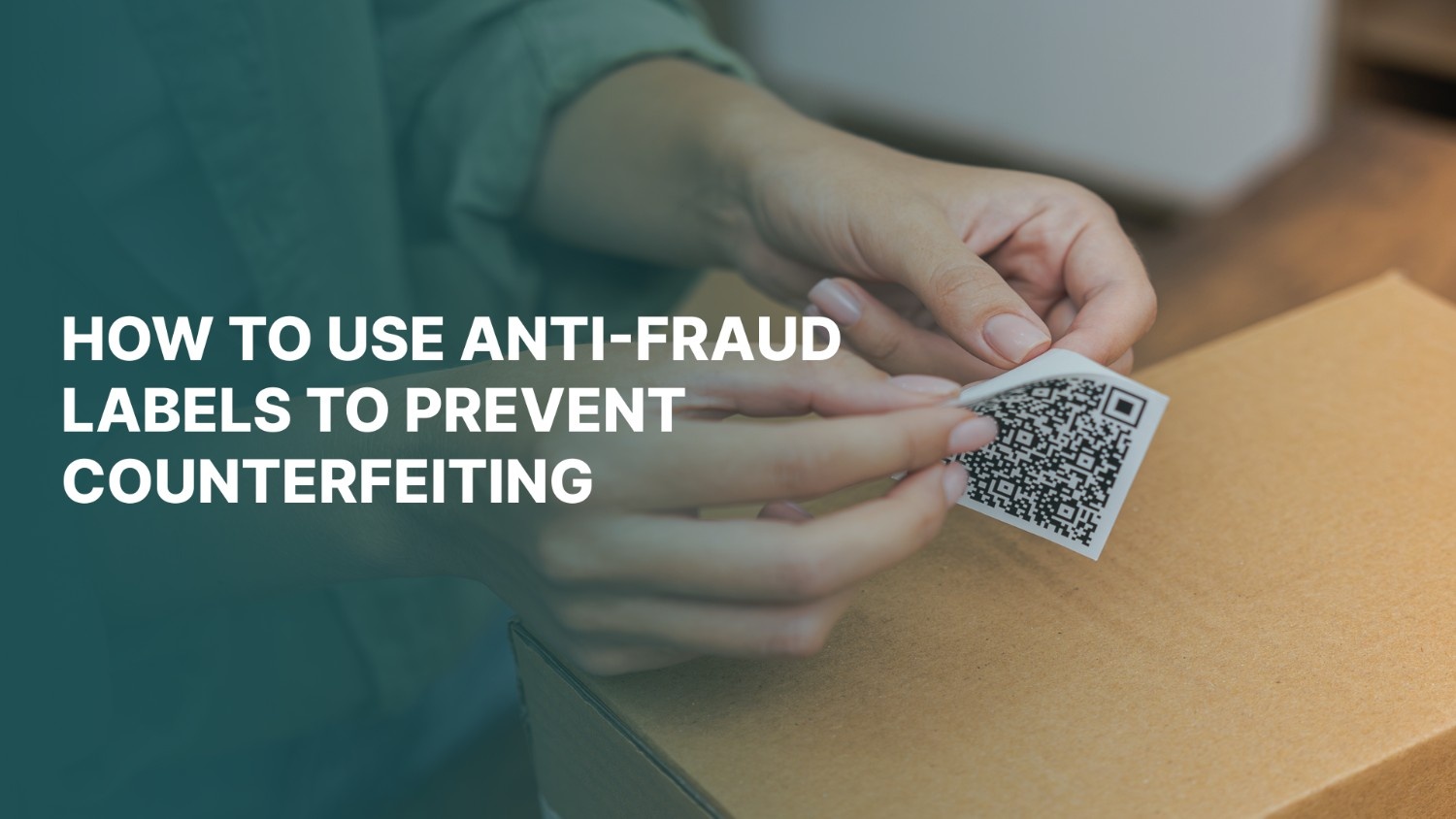
Easy integration with scanning and tracking systems: Tamper-evident labels can incorporate barcodes or QR codes, allowing seamless alignment with inventory, authentication, and traceability platforms.
Together, these benefits make tamper-evident security labels an essential component of modern packaging and asset protection strategies, helping organizations reduce operational risk while reinforcing trust across the value chain.
Industry Applications of Tamper-Evident Security Labels

Tamper-evident security labels are used across industries where product integrity, access control, and traceability are critical. Application requirements vary based on regulatory exposure, product value, and supply chain risk.
Here are some key use cases:
1. Pharmaceutical and medical devices: Used to protect patient safety by clearly indicating unauthorized access. Tamper evidence supports regulatory inspections, batch traceability, and controlled distribution.
2. Food and beverage packaging: Provides visible confirmation that packaging has not been opened prior to retail sale or last-mile delivery, helping maintain consumer safety and brand confidence.
3. Electronics and OEM components: Prevents unauthorized access, part substitution, or manipulation during storage and transit while supporting authenticity verification.
4. Cosmetics and personal care products: Helps establish consumer trust and enables validation of returns by identifying previously opened or altered products.
5. Industrial assets and equipment: Applied to enclosures, panels, meters, and access points to indicate interference and support inspection routines.
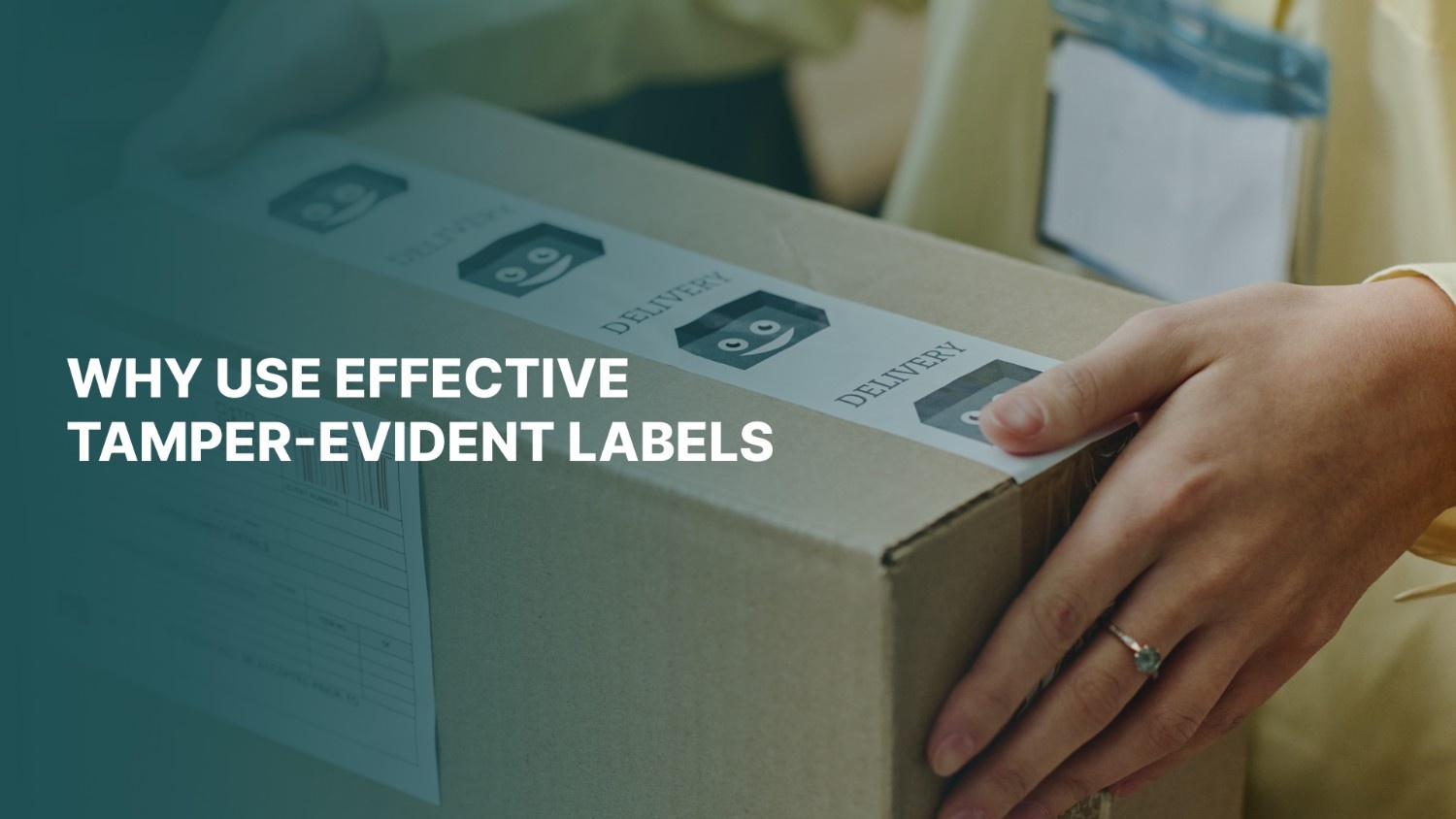
6. Logistics and transport seals: Used on cartons, pallets, and containers to detect unauthorized opening during transit and maintain chain-of-custody visibility.
These use cases demonstrate how tamper-evident security labels function as both a security control and a traceability tool across diverse industrial environments.
Material, Traceability Integration, and Selection Considerations
Effective tamper-evident security labeling depends on how well materials, adhesives, and traceability features work together.
Treating these elements separately often leads to performance gaps, while an integrated approach ensures reliable tamper indication, long-term adhesion, and consistent verification throughout the product lifecycle.
Material and Adhesive Considerations
The substrate and adhesive system form the foundation of tamper-evident performance. Incorrect selection can allow clean removal, weakening the purpose of the label.
Destructible films and papers are engineered to fracture on removal, ensuring visible damage occurs during tampering attempts.
Polyester substrates provide higher tensile strength and are commonly used where durability and print stability are required.
Holographic materials add anti-counterfeit protection while supporting tamper-evident behavior.
Permanent and high-tack adhesives ensure labels cannot be lifted or repositioned without visible disruption.
Material selection must also align with print compatibility, as poor ink anchoring or ribbon mismatch can reduce clarity of tamper indicators, barcodes, or security graphics.
Integration With Barcode and Traceability Systems
Modern tamper-evident labels often serve a dual purpose: physical security and digital traceability. Barcodes or QR codes can be incorporated directly into tamper-evident constructions, allowing verification to extend beyond visual inspection.
When integrated correctly, these features support:
Asset tracking by linking physical items to digital records
Batch and lot traceability across manufacturing and distribution
Audit logs and inspection verification through scan-based confirmation
Thermal transfer printing is commonly used for such applications, as it enables durable barcode reproduction without compromising tamper functionality.
Selection Checklist for Buyers

To ensure tamper-evident security labels perform reliably, buyers should evaluate requirements holistically rather than in isolation.
Key considerations include:
Risk level and threat model: Determine whether the goal is deterrence, detection, or authentication.
Environmental exposure: Heat, moisture, chemicals, and abrasion directly influence material choice.
Surface type and adhesive needs: Smooth, textured, coated, or curved surfaces require different bonding characteristics.
Regulatory requirements: Industry or customer-driven expectations may dictate tamper visibility standards.
Scan and traceability needs: Barcode or QR integration must remain readable throughout distribution.
Print and supply volume: Consistency across batches is essential for large-scale deployment.
By aligning material selection, adhesive technology, and traceability requirements early in the process, organizations can implement tamper evident security labels that deliver dependable protection, consistent verification, and reduced operational risk.
Working with experienced packaging and labeling partners such as Gannayak Packaging helps ensure these elements are aligned from the start. Integrated suppliers help reduce trial-and-error selection and support consistent performance across high-volume and security-critical applications.
Gannayak Packaging’s Tamper Evident Security Labels
Gannayak Packaging provides a focused range of security labeling solutions designed to address the tamper detection, product integrity, and traceability challenges.
Its capabilities support manufacturers operating in regulated, high-value, and theft-sensitive supply chains.
Security Labeling Solutions
Tamper-evident security labels engineered to reveal clear visual indicators such as void messages, surface disruption, or irreversible damage when removal is attempted.
Holographic security labels that combine tamper evidence with anti-counterfeit features, helping deter duplication and unauthorized substitution.
Custom security formats developed based on application type, surface condition, and risk level.
Barcode and Traceability Integration
Barcode and QR-enabled tamper labels that support batch identification, product authentication, and digital traceability systems.
Label constructions compatible with thermal transfer printing, ensuring barcode clarity without compromising tamper-evident performance.
Printing Consumables and Compatibility
Thermal transfer ribbons available in wax, wax-resin, and resin grades to support different durability requirements.
Resin ribbons recommended for tamper security labels exposed to abrasion, chemicals, or frequent handling, improving print permanence and scan reliability.
Material and Production Capabilities
Access to multiple substrate options including polyester, destructible films, and holographic materials.
Technical guidance on adhesive selection and surface compatibility to ensure tamper features activate reliably under real-world conditions.
Consistent bulk production to maintain uniform security characteristics across batches.
Gannayak Packaging helps manufacturers strengthen packaging security while reducing implementation complexity and long-term operational risk.
Conclusion: Strengthening Supply Chain Integrity
Tamper-evident security labels are essential for preventing unauthorized access, counterfeiting, and supply chain manipulation, but their performance depends on correct material selection, adhesive reliability, and print durability. When these factors are overlooked, labels may fail to indicate tampering clearly, weakening product security and compliance efforts.
Gannayak Packaging helps address these challenges through engineered tamper-evident labels, compatible barcode and printing solutions, and application-specific material guidance.
Connect with Gannayak Packaging to discuss tamper security requirements and identify the right labeling solution for your application.
Frequently Asked Questions (FAQs)
1. Can tamper-evident labels be applied to curved or uneven surfaces?
Yes. Specialized materials and high-tack adhesives allow tamper-evident security labels to perform reliably on curved, textured, or irregular surfaces when selected correctly. Proper surface preparation and correct label size further improve tamper performance on non-flat areas.
2. Do tamper-evident labels leave residue after removal?
Depending on the construction, labels may leave a visible message, adhesive residue, or surface disruption, each intended to provide clear evidence of tampering. The type of residue or marking can be customized based on security level and surface sensitivity.
3. Are tamper-evident labels suitable for small or compact packaging?
Yes. Security labels can be produced in small formats with precise cuts and features designed to function effectively even in limited application areas. Miniaturized designs are commonly used for vials, electronics, and sealed components.
4. Can tamper-evident labels be serialized or numbered?
Yes. Labels can include unique serial numbers, variable data, or track-and-trace codes to support authentication, investigation, and inventory control. Serialization also helps identify diversion points and improves supply chain visibility.
5. How should tamper-evident labels be stored before use?
Labels should be stored in controlled conditions away from heat, moisture, and direct sunlight to preserve adhesive performance and tamper functionality. Proper storage ensures consistent application and reliable tamper indication during use.