Waterproof vs water resistant labels is a common comparison for businesses selecting labels that must perform in moisture-exposed environments. While both options offer protection against water, their performance levels, durability, and use cases differ significantly.
Choosing the wrong type can lead to peeling, smudging, or unreadable information, especially in industries such as food, cosmetics, pharmaceuticals, and logistics. Understanding how each label type responds to humidity, splashes, washdowns, and prolonged water exposure is essential for long-term reliability.
This blog explains the differences between waterproof and water resistant labels, how each performs in real-world conditions, and how to determine which option is best suited for your specific application.
Key Takeaways
Waterproof and water resistant labels differ primarily in their ability to withstand continuous moisture exposure, not just material type.
Label performance depends on the complete construction face material, adhesive formulation, and printing method working together.
Water resistant labels suit light moisture and indoor use, while waterproof labels are required for washdowns, refrigeration, and high-humidity environments.
Adhesive compatibility and print durability play a major role in preventing peeling, fading, and barcode failure in wet conditions.
Gannayak Packaging supports both waterproof and water resistant labeling needs through application-specific materials, compatible adhesives, and durable printing solutions tailored to real operating environments.
What Are Waterproof Labels? Key Characteristics
Waterproof labels are designed to withstand direct and prolonged exposure to water without losing adhesion, print clarity, or structural integrity. Unlike standard labels, they are manufactured using synthetic materials, specialized adhesives, and durable printing methods that prevent moisture penetration.
These labels are commonly used in environments where products may be submerged, washed frequently, or stored under wet conditions. Their performance depends on the combined strength of the label material, adhesive system, and print durability.
Key characteristics of waterproof labels include:
Non-porous label materials: Typically made from polyester, polypropylene, or vinyl, waterproof labels do not absorb water and prevent swelling or breakdown.
Strong water-resistant adhesives: Designed to maintain adhesion even when exposed to moisture, condensation, or temperature fluctuations.
High print durability: Printing methods such as thermal transfer with resin ribbons or UV-based printing help prevent ink bleeding or fading when wet.
Resistance to washing and submersion: Suitable for applications involving rinsing, washdown processes, or extended water contact.
Protection against humidity and condensation: Maintain label integrity in cold storage, refrigerated environments, and high-humidity areas.
Long service life: Capable of remaining legible and bonded for months or years, depending on exposure intensity.
Because waterproof labels are engineered for continuous moisture exposure, they are commonly used in food and beverage packaging, chemical containers, cosmetics, outdoor equipment, and logistics applications where label failure can disrupt traceability or compliance.
What Are Water Resistant Labels? Differentiating Features
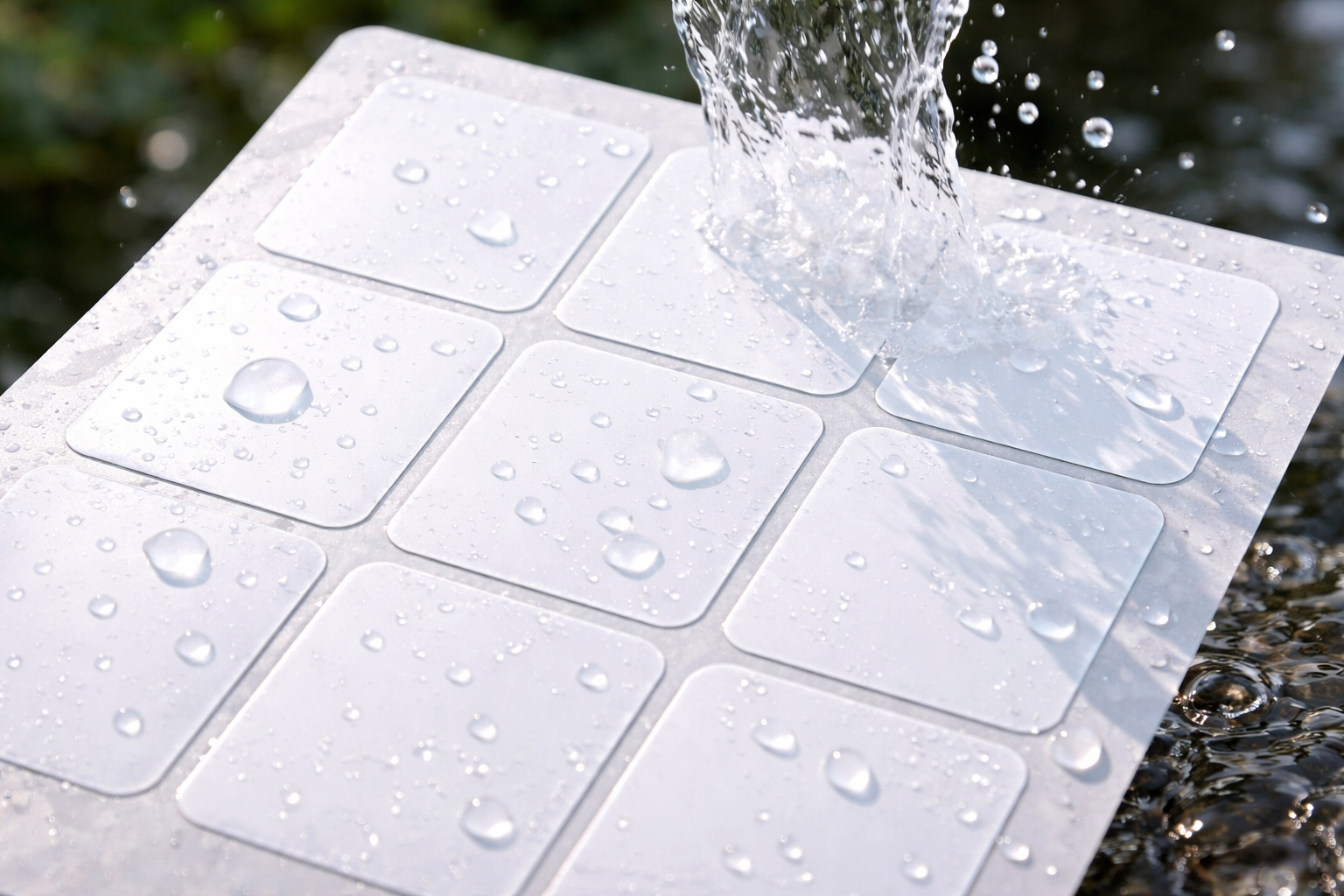
Water resistant labels are designed to tolerate limited and incidental exposure to moisture without immediate damage. They provide basic protection against splashes, light humidity, or brief contact with water, but are not intended for prolonged wet conditions or full submersion.
These labels are commonly used where moisture exposure is occasional rather than continuous, offering a cost-effective option for controlled environments.
Key differentiating features of water resistant labels include:
Partially moisture-tolerant materials: Often produced using coated paper or entry-level synthetic films that resist light water contact but are not fully waterproof.
Standard pressure-sensitive adhesives: Adhesives perform well under dry conditions but may weaken if exposed to continuous moisture or repeated washdowns.
Moderate print durability: Ink remains readable under normal handling but can fade or smudge when exposed to water for extended periods.
Protection against light splashes: Suitable for environments where water contact is brief and infrequent.
Lower resistance to humidity and condensation: Extended exposure to damp conditions may cause curling, edge lifting, or adhesion loss.
Shorter expected lifespan: Typically used for temporary labeling or indoor applications with minimal environmental stress.
Water resistant labels are commonly found in retail packaging, dry storage environments, shipping cartons, and general product identification where cost efficiency is prioritized over long-term moisture durability.
Key Differences Between Waterproof vs Water Resistant Labels
While waterproof and water resistant labels are often confused, their performance differs significantly based on exposure level, material construction, and long-term durability.
Understanding these differences helps businesses select labels that match real operating conditions rather than relying on assumptions.
Here are the key differences between the two:
Aspect | Waterproof Labels | Water Resistant Labels |
Water exposure tolerance | Designed for continuous exposure, washdowns, and possible submersion | Suitable only for occasional splashes or brief moisture contact |
Material construction | Fully synthetic, non-porous materials such as polyester or polypropylene | Coated paper or lighter synthetic films with limited moisture protection |
Adhesive performance | Uses moisture-resistant adhesives that maintain bonding in wet conditions | Standard adhesives that may weaken with prolonged moisture exposure |
Print durability | Maintains legibility when wet, especially with resin or UV printing | Print may smudge or fade with repeated or extended water contact |
Environmental suitability | Performs well in refrigeration, washdown areas, outdoor storage, and high humidity | Best suited for indoor, dry, or climate-controlled environments |
Expected service life | Long-term durability under demanding conditions | Short- to medium-term use in low-moisture settings |
Typical applications | Food and beverage packaging, chemicals, cosmetics, outdoor equipment | Retail packaging, cartons, general product identification |
In practical terms, waterproof labels provide durability and reliability under demanding conditions, while water resistant labels offer adequate performance for low-moisture environments at a lower cost.
Similarities Between Waterproof and Water Resistant Labels
Although their performance levels differ, waterproof and water resistant labels share several functional similarities. Understanding these common traits helps clarify that both options serve important roles depending on application needs.
Here are some areas where they are similar:
Similarity Area | Shared Characteristics |
Primary function | Both are used to display product information, branding, barcodes, and compliance details |
Pressure-sensitive format | Both typically use pressure-sensitive adhesives for easy application |
Custom sizing and shapes | Available in various sizes, die-cut shapes, and roll or sheet formats |
Print compatibility | Can be printed using flexographic, digital, or thermal transfer methods depending on material |
Application surfaces | Suitable for glass, plastic, metal, and coated packaging surfaces |
Industry usage | Commonly used across food, cosmetics, pharmaceuticals, logistics, and retail |
Customization options | Support color printing, branding elements, barcodes, and variable data |
While both label types share similar formats and customization capabilities, the key distinction lies in how they perform under sustained moisture exposure.
Choosing the right option depends on environmental conditions rather than label appearance or printing method.
How to Choose Between Waterproof and Water Resistant Labels
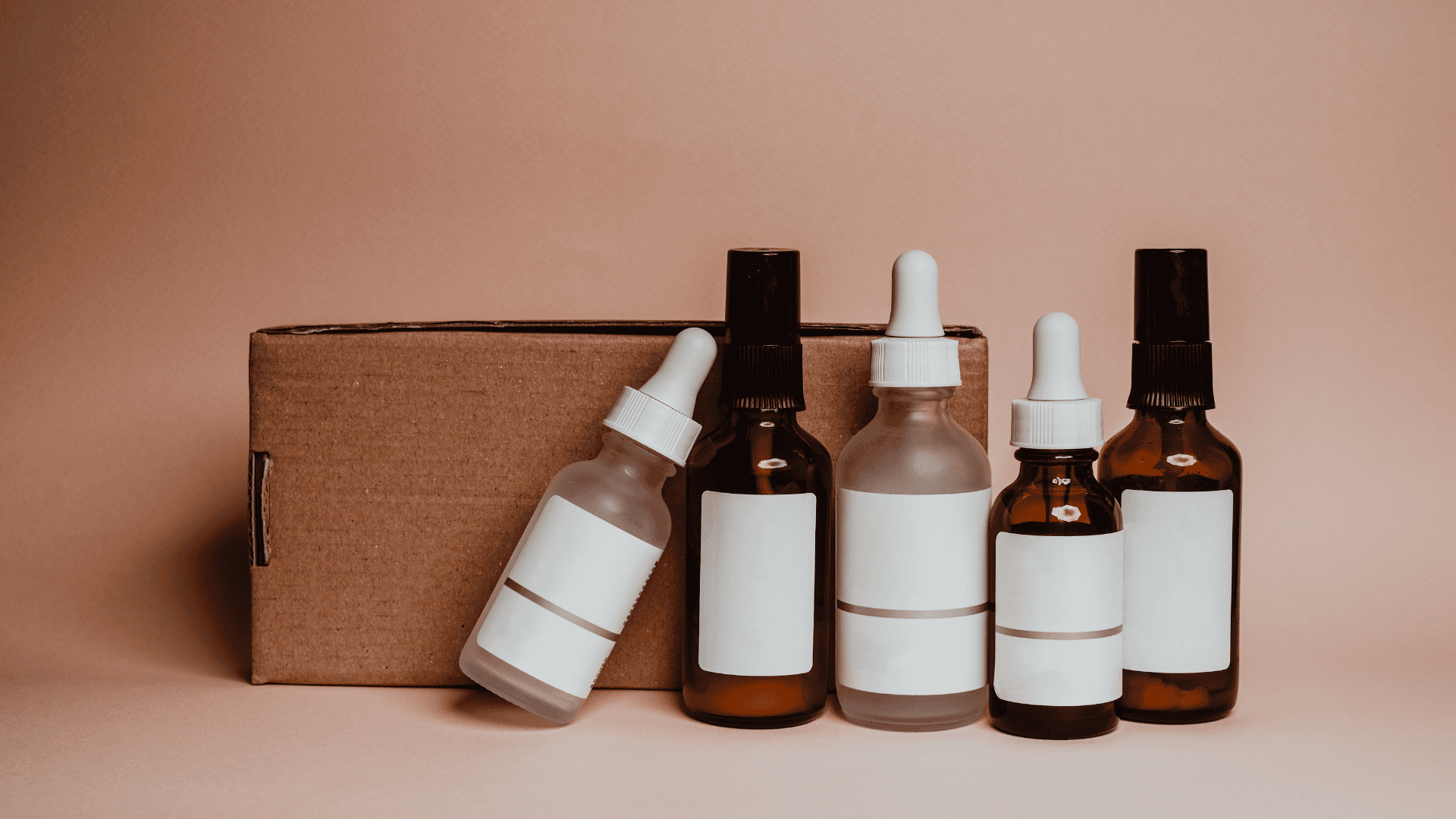
Choosing between waterproof and water resistant labels requires evaluating real operating conditions rather than relying on material names alone. The correct choice depends on how the label will perform throughout storage, handling, transportation, and end use.
A structured assessment helps prevent premature label failure, relabeling costs, and traceability issues.
Key considerations include:
Nature of water exposure: Identify whether exposure is limited to occasional splashes, routine condensation, frequent washdowns, or full water contact. Continuous or repeated exposure typically requires fully waterproof labels.
Environmental conditions: High-humidity areas, cold storage, outdoor environments, and washdown zones place significantly higher stress on label materials and adhesives than dry indoor locations.
Product contents: Oils, solvents, and chemical residues can migrate onto container surfaces and weaken adhesives, even if water exposure is limited.
Container material and shape: Smooth glass, rigid plastics, flexible squeeze bottles, and curved surfaces all require different adhesive behaviors to prevent edge lifting or peeling.
Temperature range: Labels must perform not only at room temperature but also during refrigeration, transit, and temperature fluctuations that affect adhesive tack.
Handling frequency: Products that are frequently handled, cleaned, or stacked require stronger materials and abrasion-resistant printing.
Label lifespan expectations: Temporary identification may tolerate water resistant labels, while long-term branding, compliance, or traceability requires waterproof construction.
Print durability requirements: Barcodes, batch numbers, and regulatory text must remain readable. Moisture exposure combined with abrasion increases the need for durable printing methods.
Selecting the right label type is ultimately a balance between environmental exposure, durability expectations, and operational risk. Evaluating these factors early ensures labels remain intact, legible, and reliable throughout the product’s lifecycle.
This is where packaging partners such as Gannayak Packaging help align label selection with performance, compliance, and production consistency requirements.
How Gannayak Packaging Meets Waterproof/Water Resistant Labeling Needs
Gannayak Packaging supports businesses requiring waterproof and water resistant labels by providing application-specific label constructions based on material, adhesive, and printing compatibility.
Depending on the operating environment, Gannayak Packaging supplies:
Water resistant labels produced using coated paper or polypropylene materials, suitable for light moisture exposure, humidity, and indoor packaging conditions.
Waterproof label solutions developed using synthetic films such as polyester or polypropylene, combined with strong industrial adhesives and durable thermal transfer printing methods for extended moisture exposure.
Label performance is determined by the complete construction rather than a single material. Gannayak works with clients to align label selection with expected exposure to water, handling conditions, storage temperature, and product lifecycle requirements.
To support long-term legibility, labels can be manufactured for compatibility with thermal transfer printing using resin or wax-resin ribbons, helping maintain barcode readability and printed information under wet or high-humidity conditions.
Alongside moisture-resistant labeling solutions, Gannayak Packaging provides a broader range of industrial packaging and identification services, including:
Custom printed labels for branding, product identification, and regulatory information
Barcode labels for traceability, inventory control, and logistics operations
High-security and tamper-evident labels, including VOID and holographic options
Thermal transfer ribbons in wax, wax-resin, and resin grades
Recycled LLDPE polythene bags and rolls for sustainable packaging requirements
Recycled PP, LDPE, and HDPE granules for manufacturing and packaging applications
By offering labels, ribbons, and packaging materials under a single supply framework, Gannayak Packaging supports consistency, compatibility, and scalable production across varied industrial labeling requirements.
Conclusion
Waterproof and water resistant labels present different challenges depending on moisture exposure, storage conditions, and product handling environments. Selecting the wrong label type can lead to peeling, faded printing, unreadable barcodes, and higher replacement costs, affecting traceability, compliance, and overall packaging reliability.
Gannayak Packaging supports these requirements through application-specific label materials, moisture-compatible adhesives, and durable printing solutions designed for both water resistant and waterproof labeling needs across industrial environments.
Speak with Gannayak Packaging to discuss your waterproof or water resistant label requirements.
Frequently Asked Questions (FAQs)
1. Can labels become less water resistant over time?
Yes. Prolonged exposure to moisture, cleaning agents, or temperature fluctuations can gradually weaken adhesives and print coatings, reducing performance over time.
2. Are waterproof labels suitable for direct food contact packaging?
Waterproof labels can be used on food packaging surfaces, but suitability depends on material certifications and application type. Label suppliers can advise on compliant constructions.
3. Do waterproof labels require special printers?
Most waterproof labels can be printed using standard thermal transfer printers when paired with compatible resin or wax-resin ribbons.
4. Can the same label design be used for both waterproof and water resistant materials?
In many cases, yes. Artwork can remain the same, while the material and adhesive are adjusted to meet environmental exposure requirements.
5. How can businesses reduce label failure during high-humidity seasons?
Using moisture-compatible materials, appropriate adhesives, and consistent bulk manufacturing helps maintain label performance during monsoon or high-humidity conditions—an area where suppliers like Gannayak Packaging provide application-based guidance.